
The sinking of HMCS Fraser
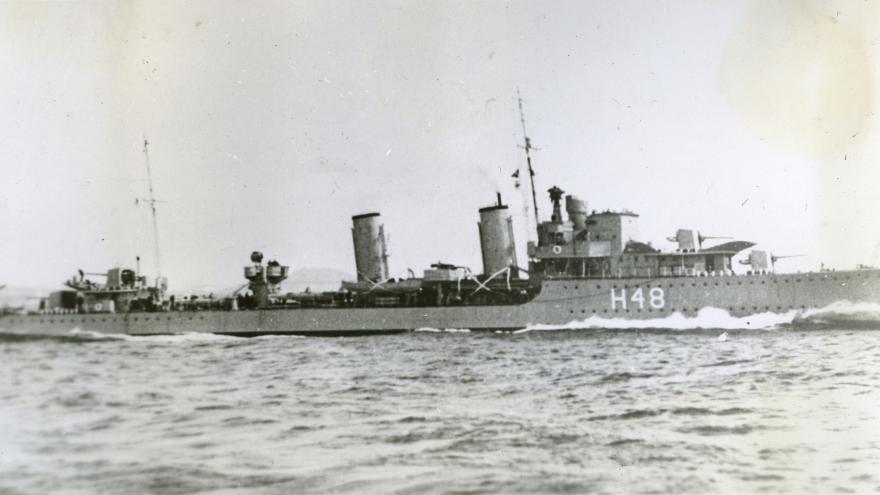
HMCS Fraser, ca. 1940? Esquimalt (B.C.). Town Clerk's Department Col.
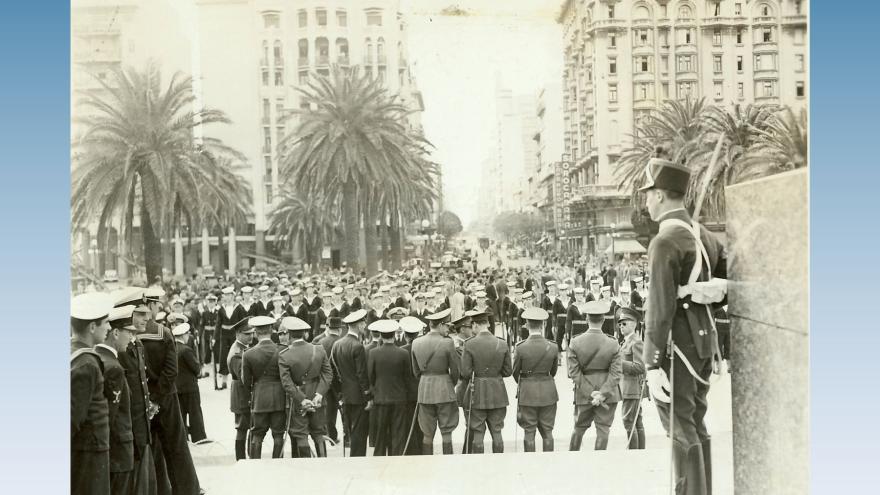
HMCS crew members at Town Plaza, Lima Peru, 1938, De Costa Family Col.
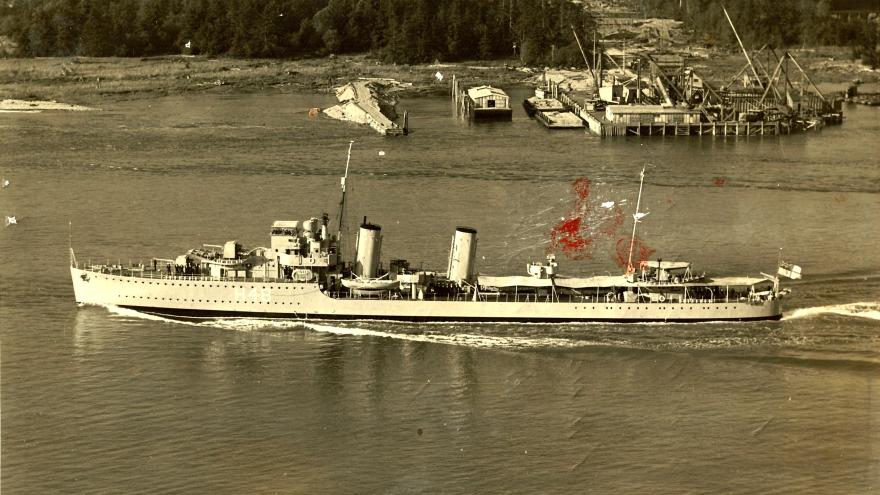
HMCS Fraser passing under construction of Lions Gate Bridge, Vancouver, BC. 1938, De Costa Family Col.
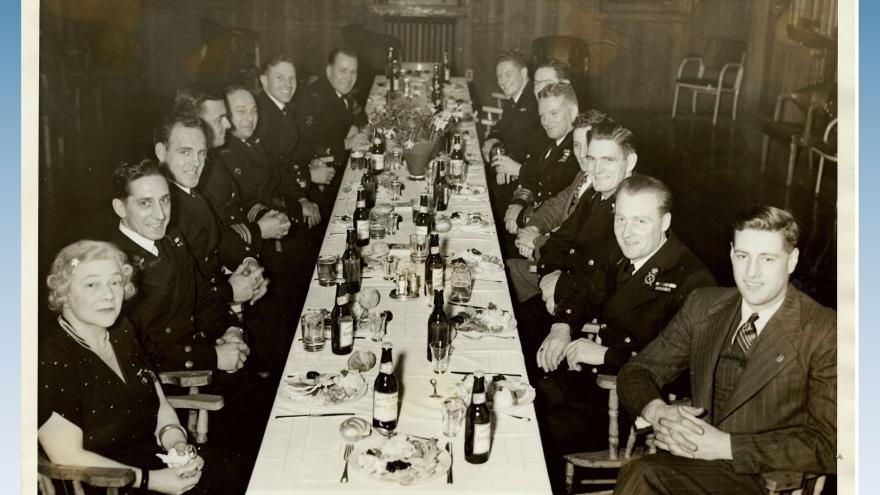
HMCS Fraser Survivors, 1950, De Costa Family Col.
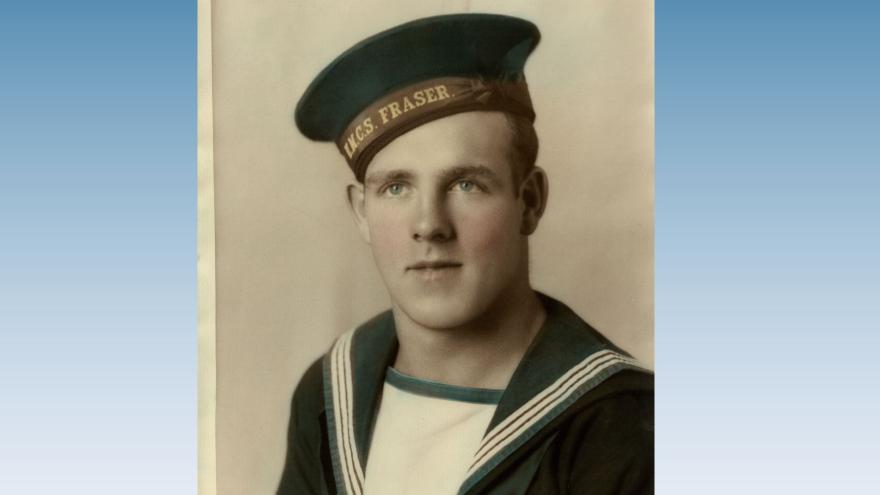
Edward L. De Costa, 1938, De Costa Family Col.
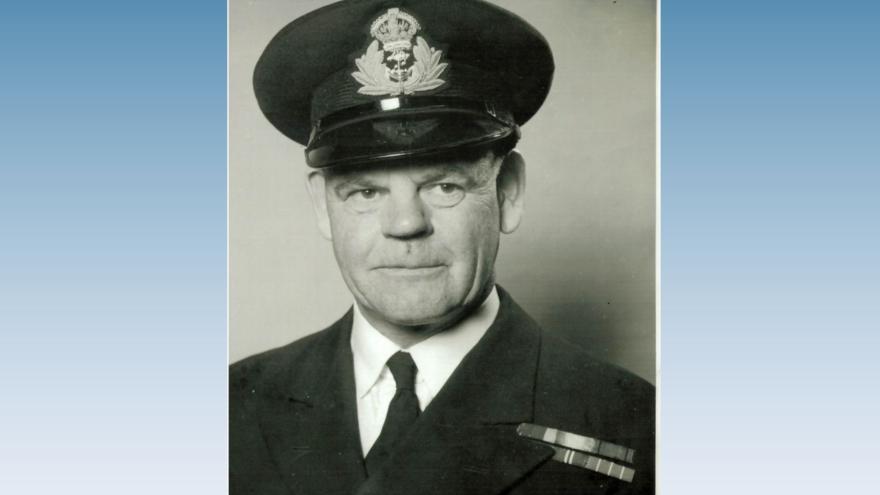
Wilfred Herbert De Costa, 1948, De Costa Family Col.
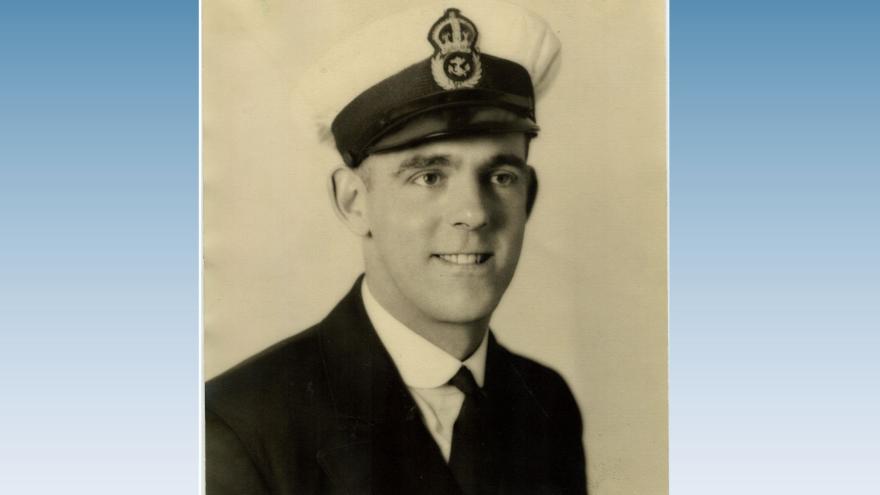
Louis De Costa, 1938, De Costa Family Col.
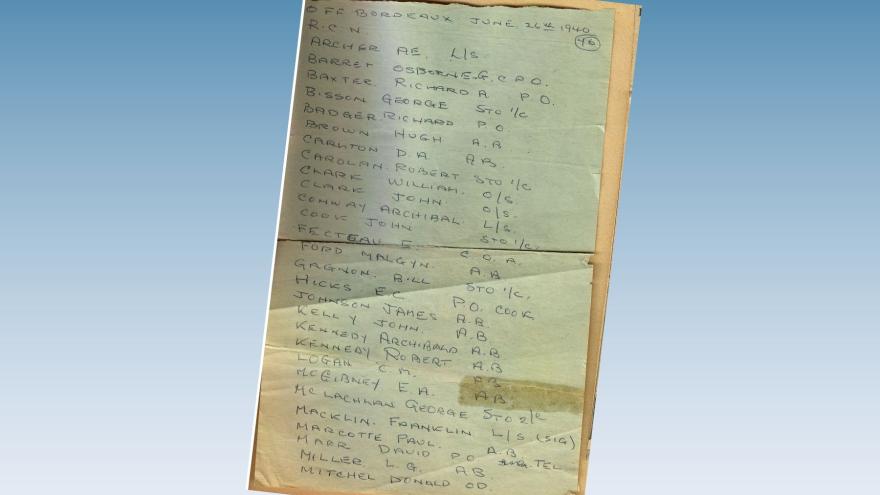
List of sailors (partial) of HMCS Fraser, 1940, De Costa Family Col
Earth Day- our shared connection with Nature
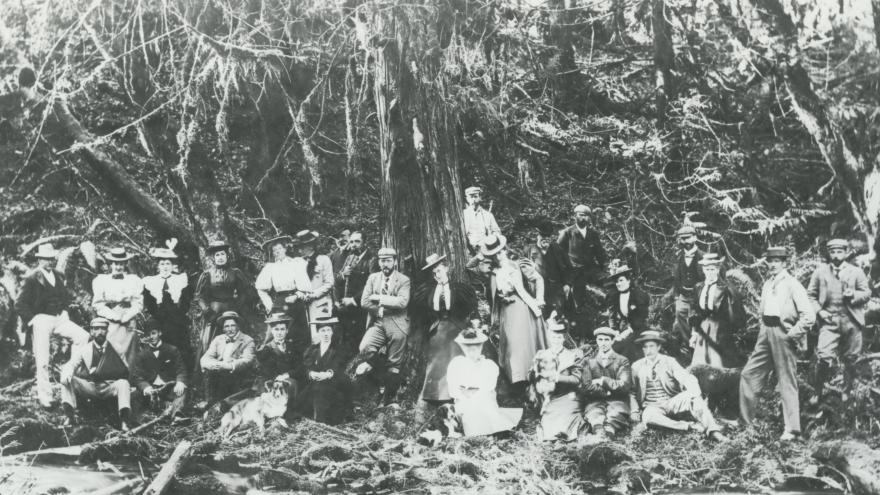
Group in wooded area, likely Goldstream Park , CA PR263-995-011-055, 1896 , Pooley Family Col.
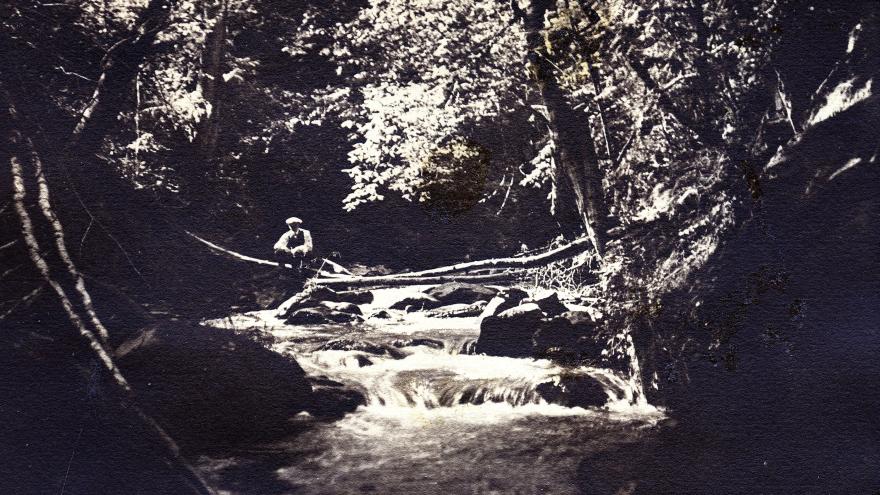
Man sitting on log crossing stream, CA PR523-025-071-015, ca. 1925, Mark Campion Col.
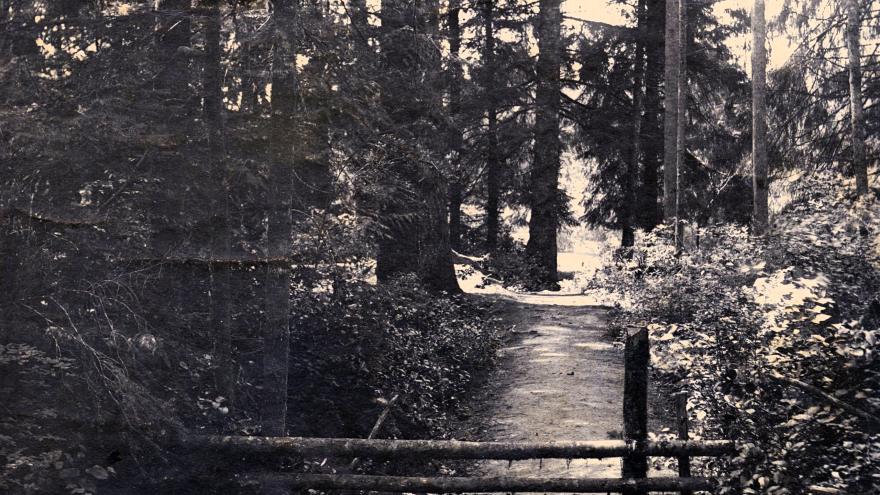
Footpath along a Stream, CA PR523-025-071-024, ca. 1925, Mark Campion Col.
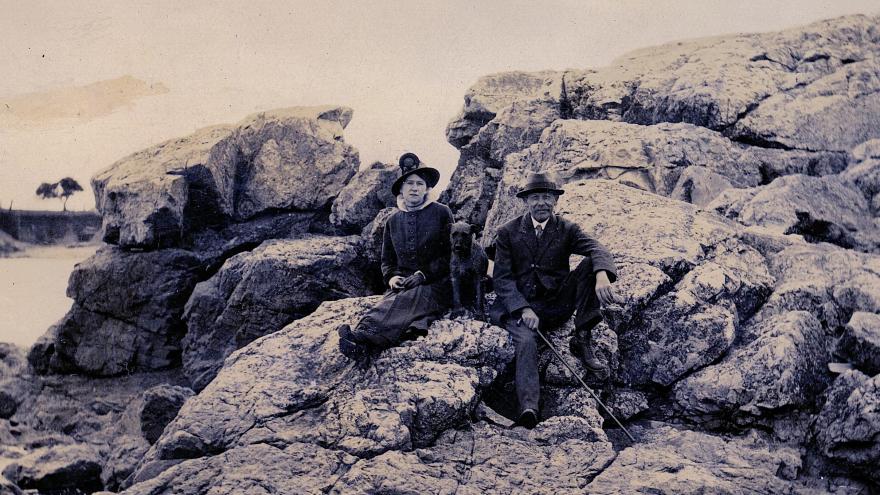
A couple sitting on the rocks near Fleming Beach in Esquimalt ca. 1925, Mark Campion Col.
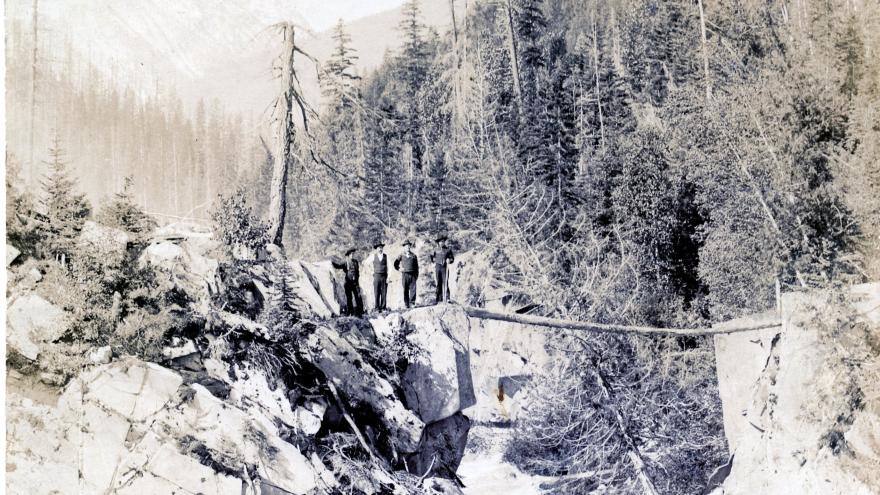
People standing on rock ledge over Beaver Canyon on the Fraser River, BC., CA PR523-025-071-025, ca. 1925, Mark Campion Col
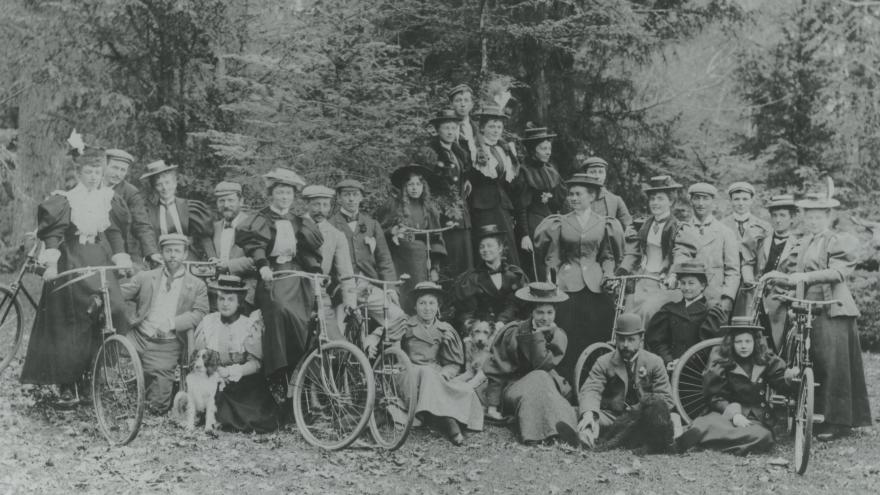
Group in Goldstream Park with bicycles , CA PR263-995-011-054 , 1896 ,Pooley Family Col.
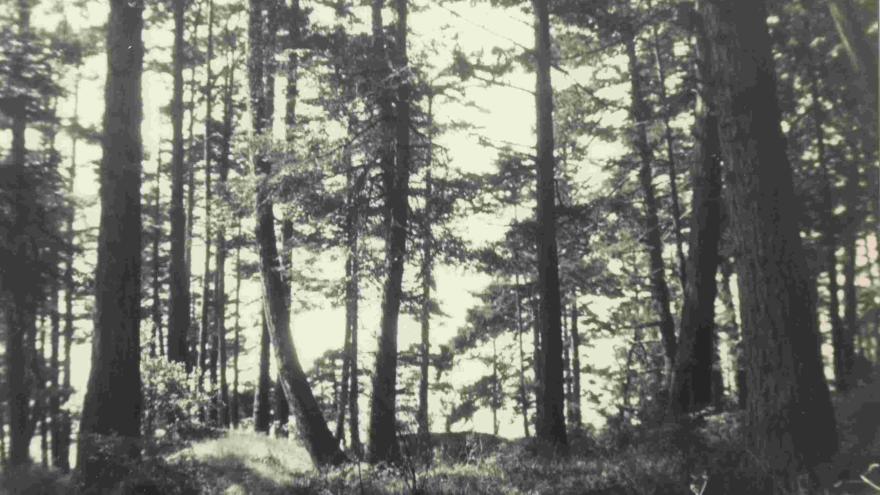
Saxe Point forest, CA PR012-v989-020-018, ca. [194-] , James Findlay Col.
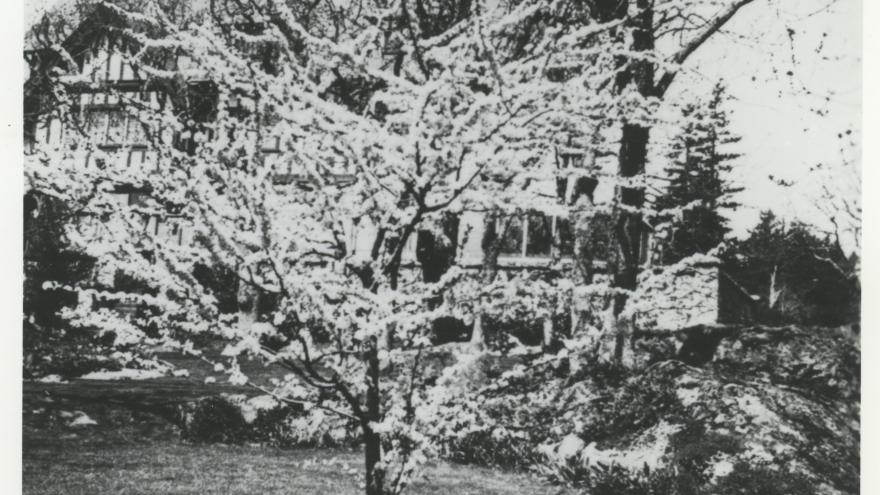
Blossoming cherry tree in gardens at "Lyndhurst" , CA PR263-995-011-079, ca. 1928 , Pooley Family Col.
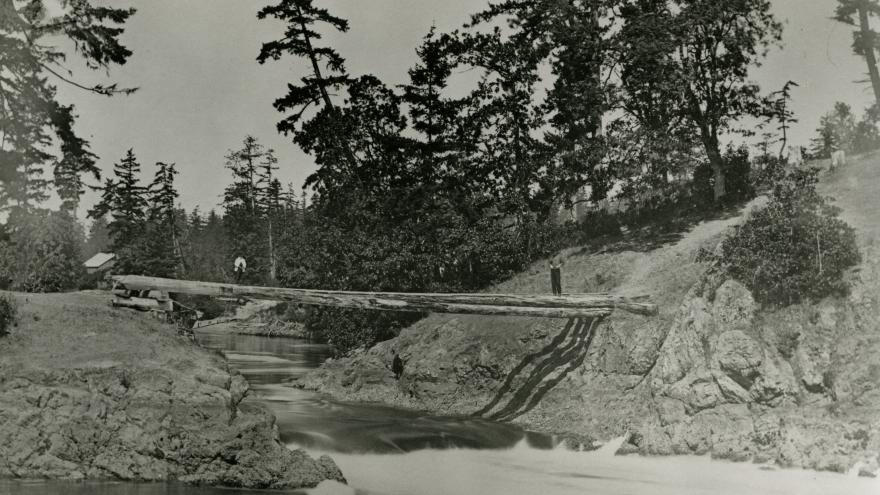
Log bridge across the Gorge, CA PR164-v992-013-001, ca. 185-?, Mike Aitken Col.
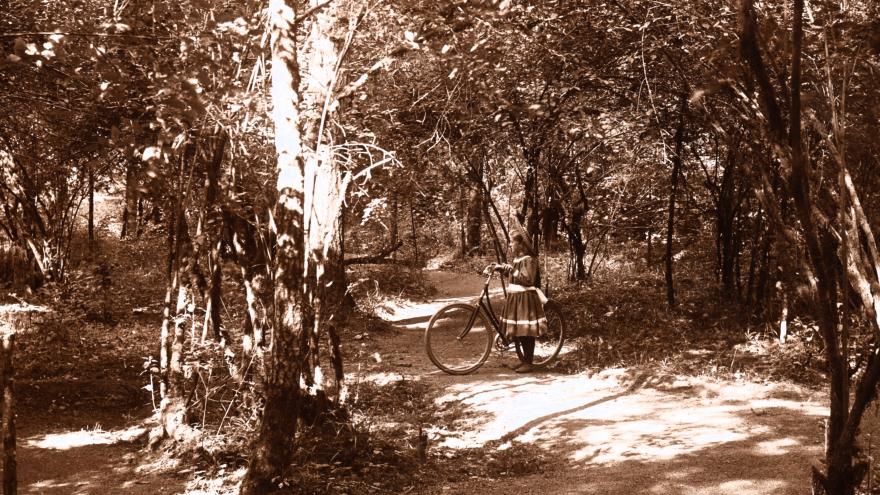
Girl on bicycle on a pathway in Gorge Park, CA PR250-995-036-009, ca. 1905, Mike Aitken Col.
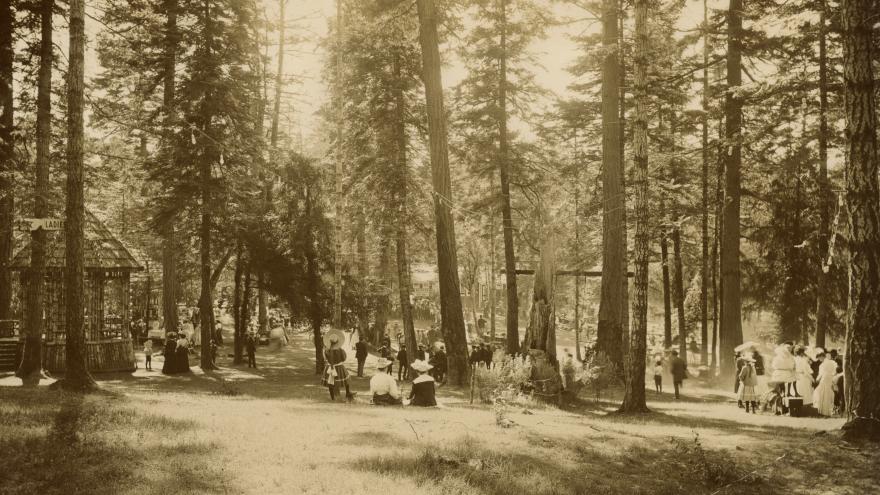
Gorge Park, CA PR250-995-036-005, ca. 1905, Mike Aitken Col.
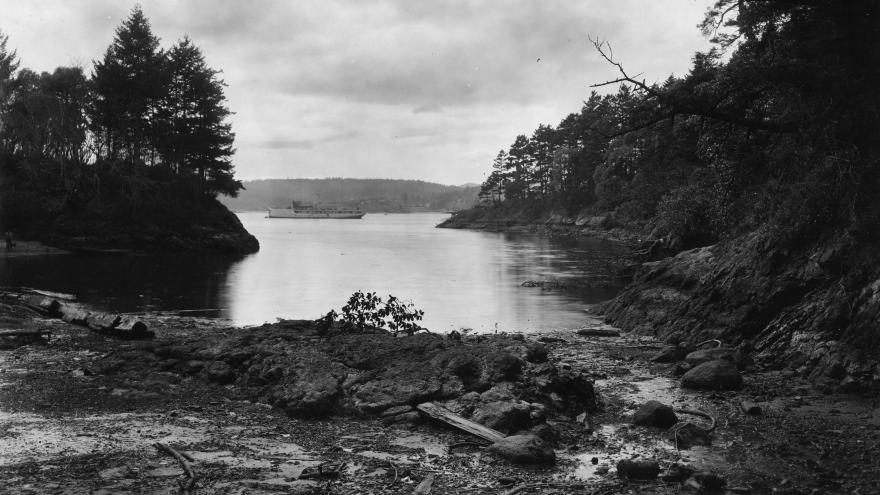
Skinner's Cove in 1921, Site of new Dry Dock, CA PR012-996-015-028, 1921, James Findlay Col.
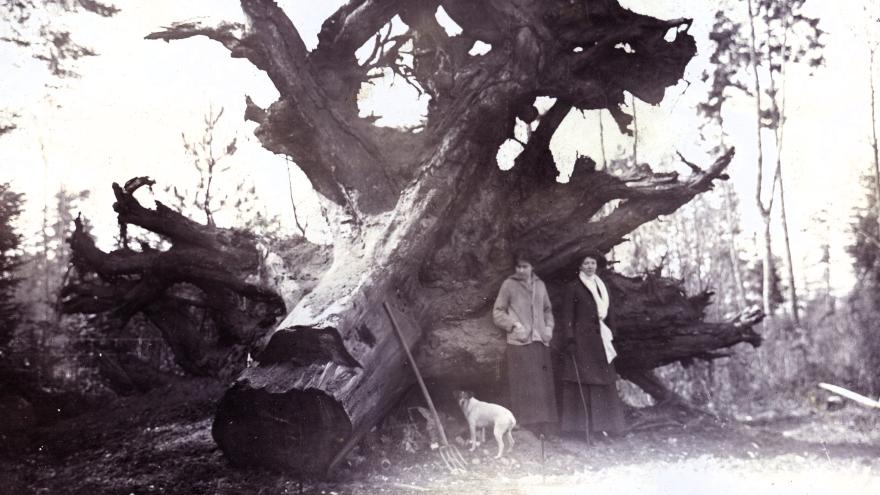
Massive Tree Stump, CA PR523-025-071-084, ca. 1910, Mark Campion Col.
Making Women Visible: Correcting Gender bias in Archival Photo Records
These photographs from our archives feature people whose names and stories have yet to be identified — especially women who have long remained unseen in the historical record.
We invite you to help us recognize them, reclaim their identities, and add their stories back into our shared history.
Every face tells a story, and every story matters.
If you ‘re familiar with any of these individuals, place, or any relevant information, please comment or share that information with archives (archives@esquimalt.ca). So, we can update our database and online collection to provide a more accurate picture.
Let’s build our history together!
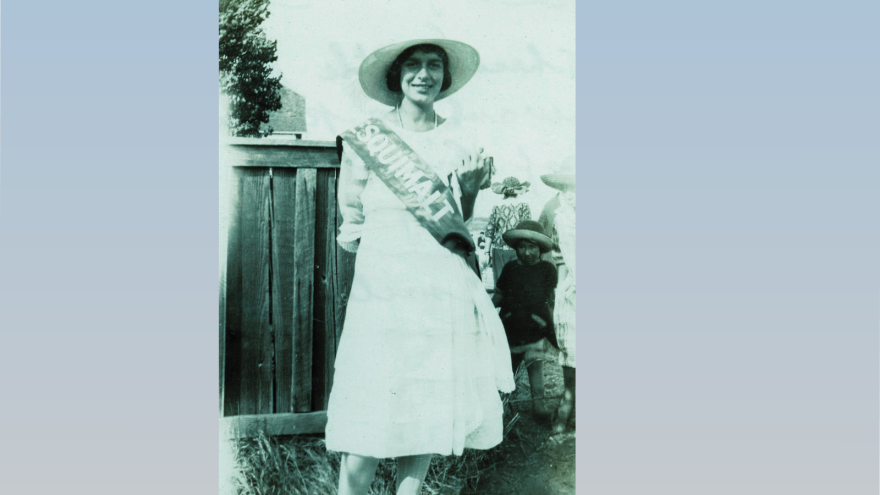
Woman wearing "Esquimalt" sash, 1923. Donor purchased album of photos from "Time Buying Services" Government St., Victoria, B.C.
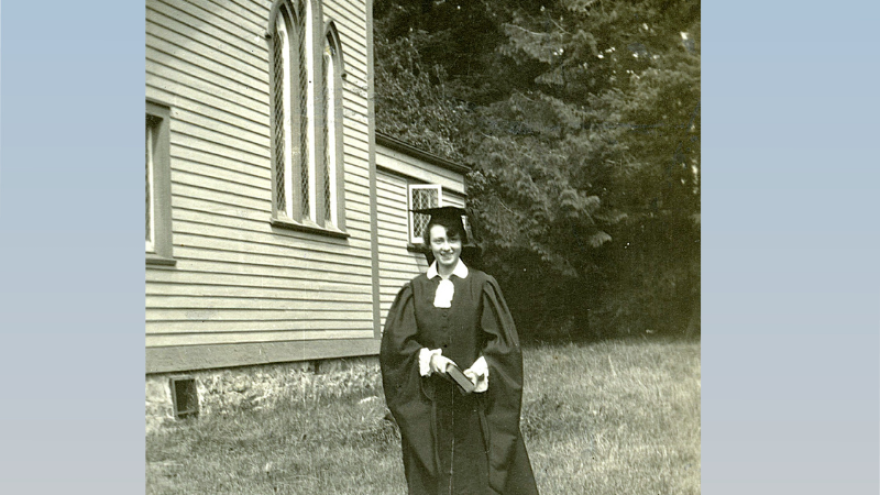
St. Paul's Naval and Garrison Church with unidentified women wearing choir gown in front. Ruth Craven Fonds, ca. 1925
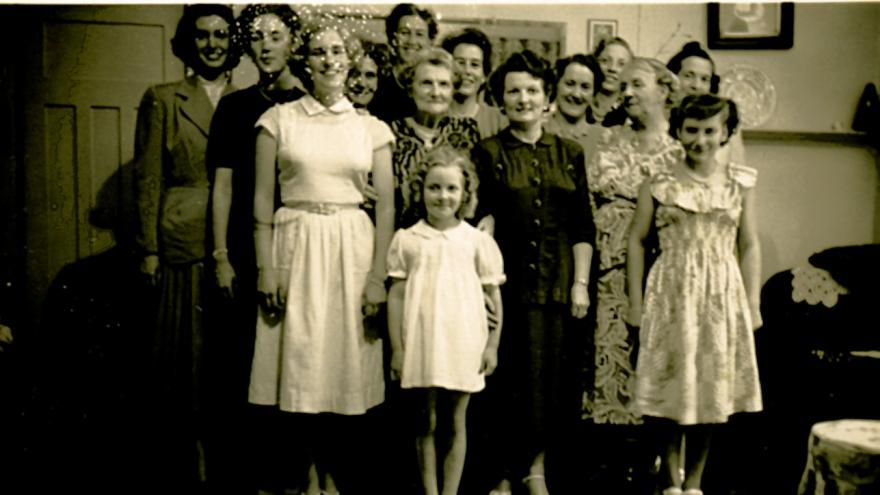
Group of women 1940 (Creation) Spencer Family Fonds. CA PR341-015-001-127
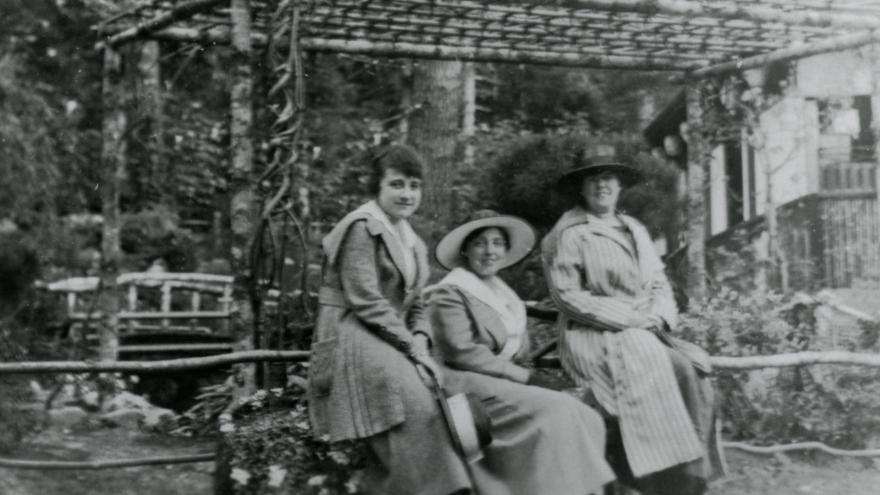
Three unidentified women, Japanese Tea Gardens, ca. 1915, Toyo Takata Fonds
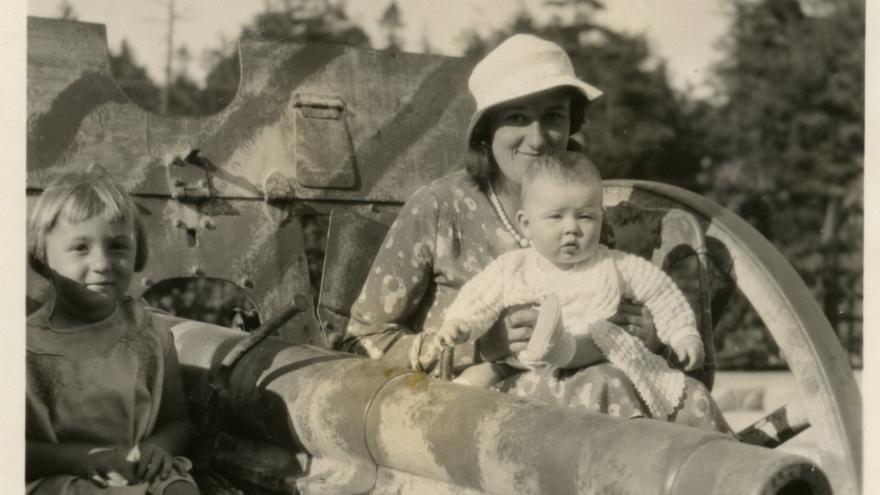
"Woman and children at Memorial Park" c. 1935
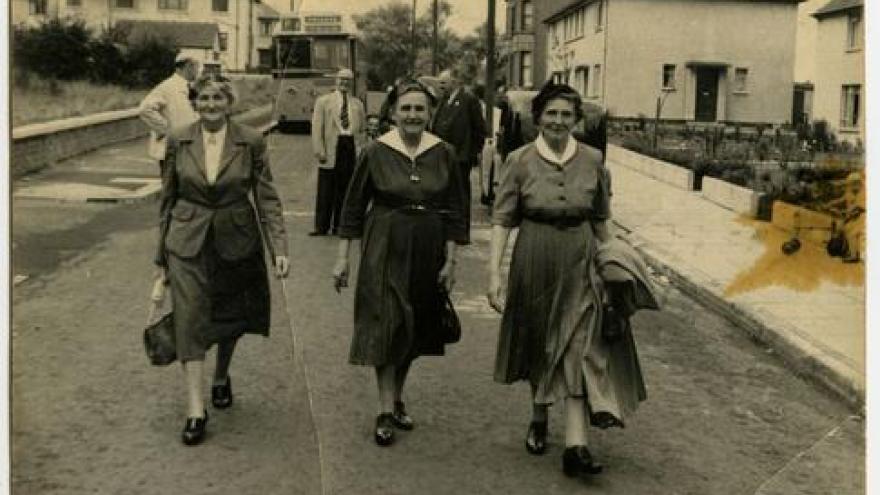
“ Women walking down a street” – Emily Harrop Fonds, ca. 1950 (Creation)