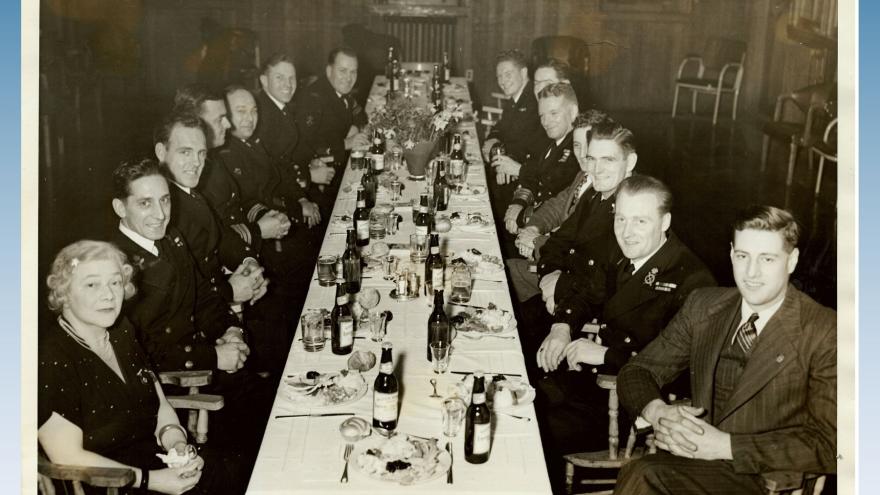
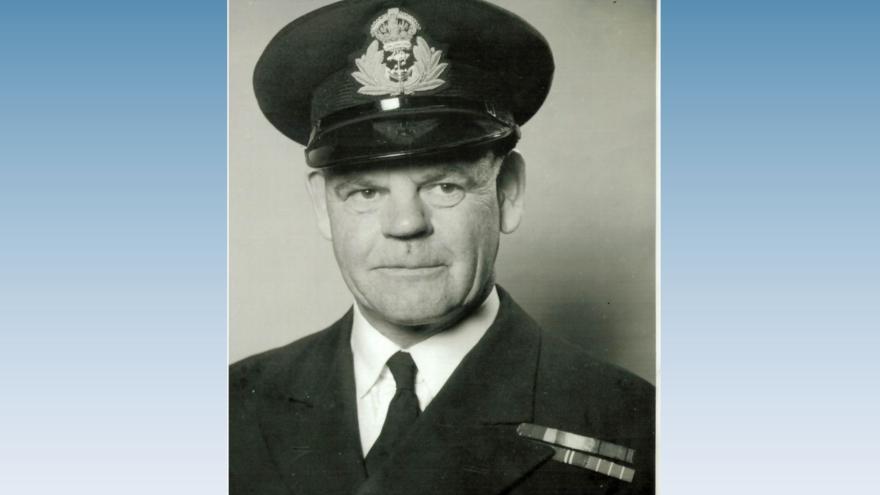
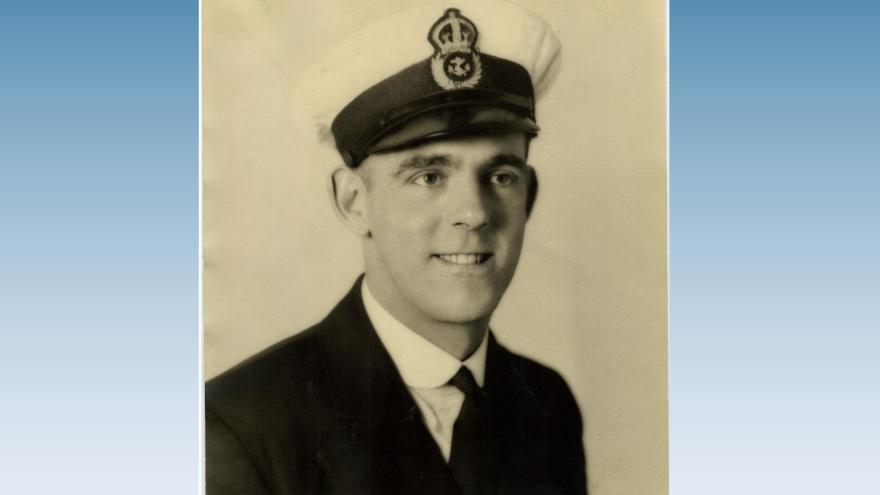
Remembrance often centres on those who served in uniform, whose courage and sacrifice are central to our collective memory. But the experience of war reached far beyond the battlefield. Families, women, children, workers, volunteers, and entire communities also bore the burdens of wartime on the home front through their labour, care, resourcefulness, and resilience.
This joint exhibition brings these two dimensions of wartime experience together, pairing military histories with local archival stories of life at home. Through photographs, documents, and personal histories, Battle front & Home front recognizes both the visible and often unseen contributions made during times of conflict. Bringing these stories into dialogue allows us to remember not only those who served, but also the communities that supported them, and to reflect on the shared human experiences of courage, sacrifice, loss, resilience, and hope.
Image
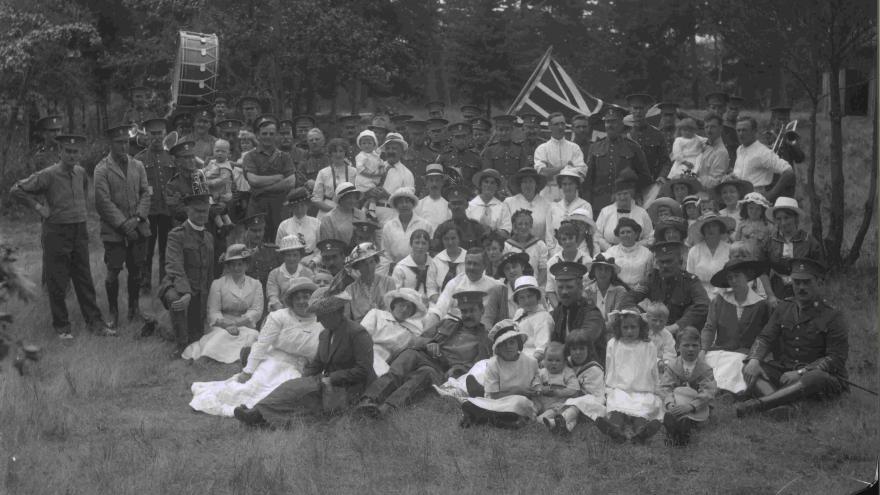
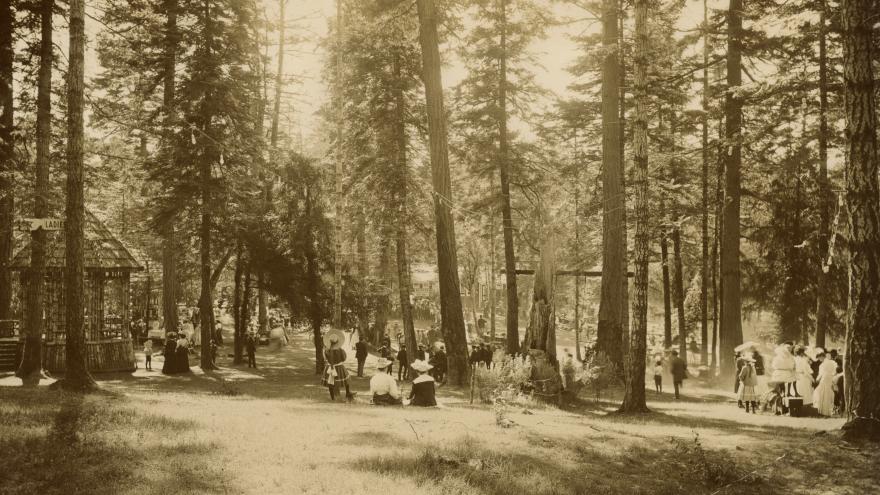
88th Regiment, with families at picnic at dockyard, ca. 1914, Judy Chamberlain Col.
The Battle Front: Service, Courage and Sacrifice Vancouver Island Military Museum, Nanaimo
The battle front reflects the experiences of those who served in uniform and encountered the immediate realities of armed conflict. Their stories speak of courage, duty, sacrifice, comradeship, separation from family, and the uncertainty of wartime service. Through photographs, military records, and personal histories, this section highlights service personnel’s experiences and places their individual stories within the broader history of conflict. These records of the Vancouver Island Military Museum offer an important foundation for remembrance, helping us recognize the individuals whose service and sacrifice have shaped our collective understanding of wartime history.
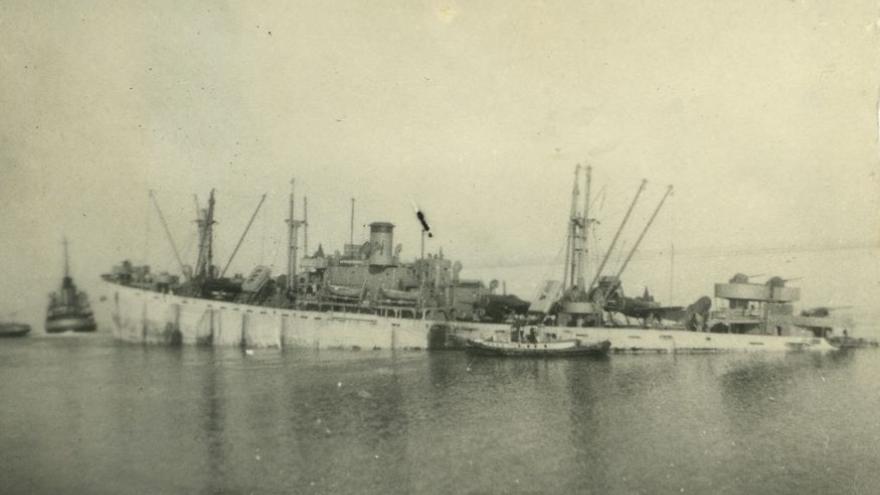
Photo credit: David Nichols. 1945 | S.S. James Nesmith torpedoed at dusk, and towed into Holyhead, Wales by H.M.C.S. Belleville
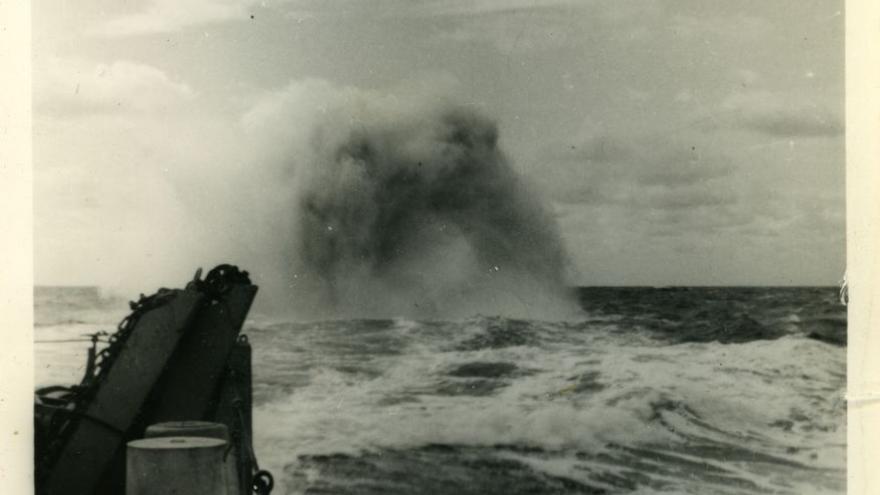
Photo credit: David Nichols. 1944 | Depth charge attack near Bay of Bulls.
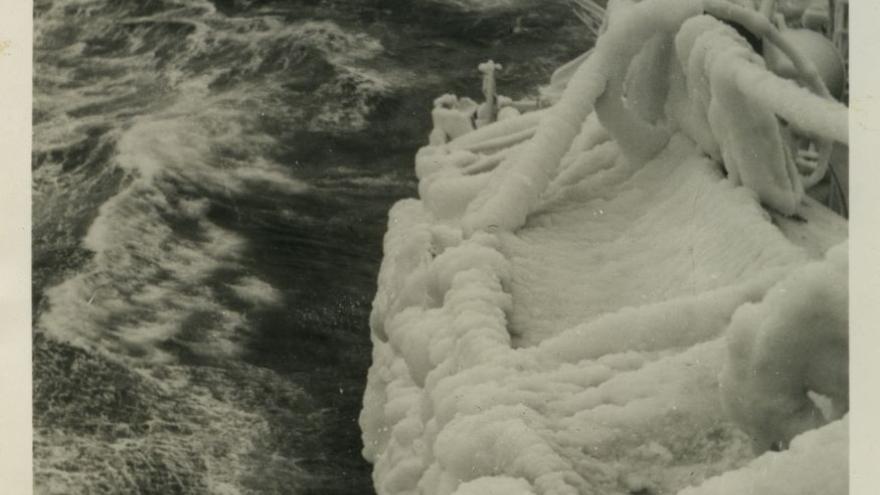
Photo credit: David Nichols. 1943 (January) | Iced up ship
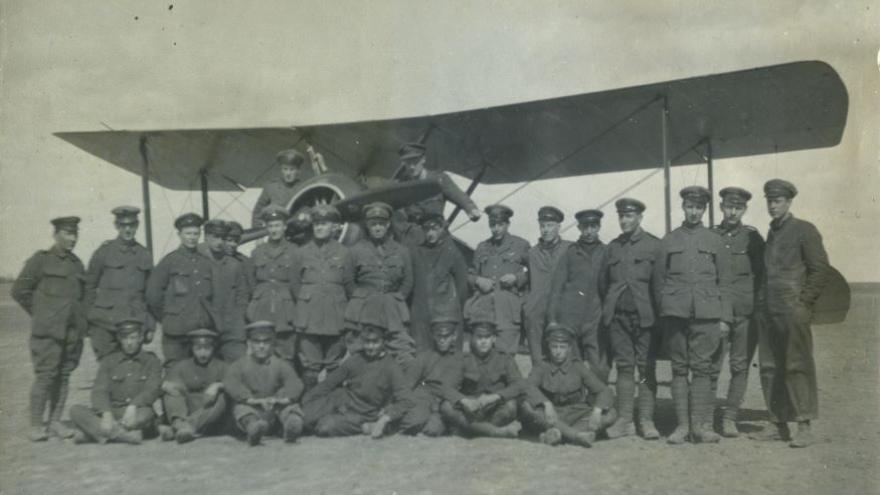
Photo credit: Joseph Fall. Approx. 1916 | Somme, France - the officers and men of Fall’s Flight.
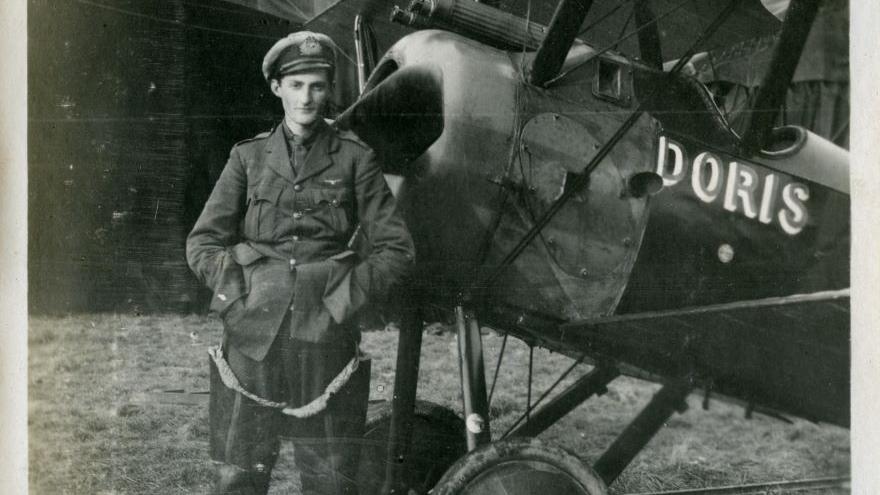
Photo credit: Joseph Fall. Approx. 1916/1917 | Unknown officer
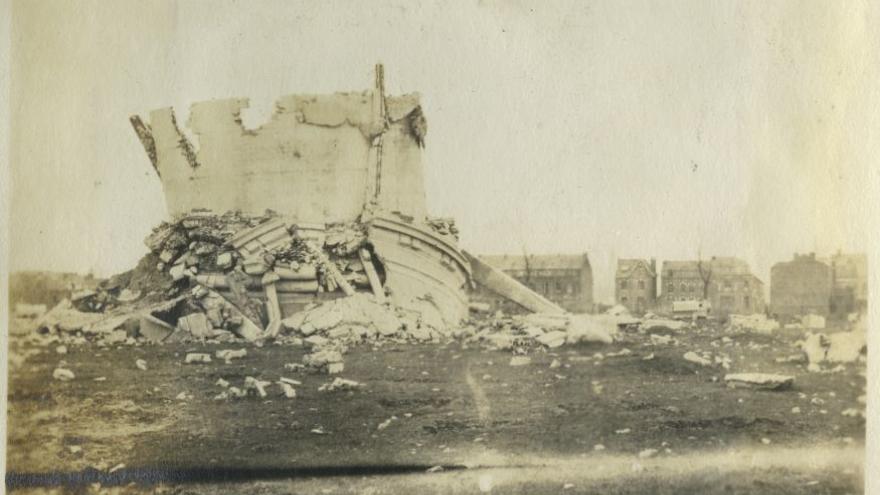
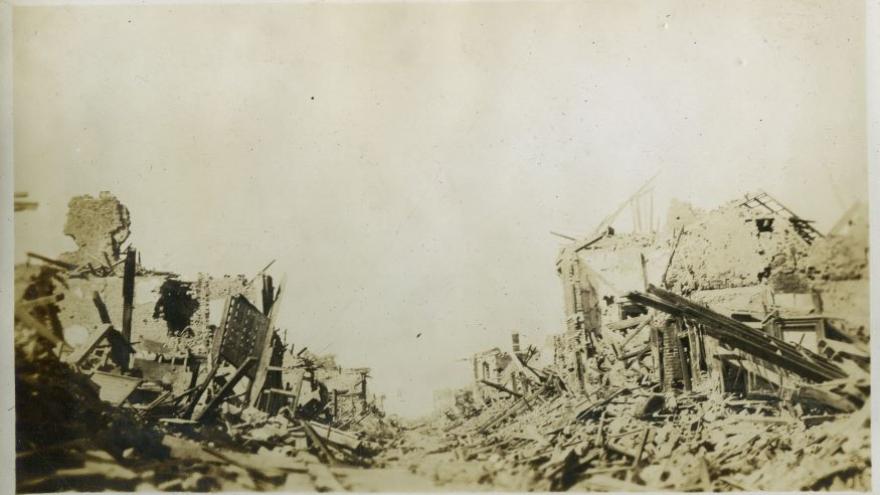
Photo credit: Charles Ramsay Stirling Stein. approx. 1918 | Lens, France
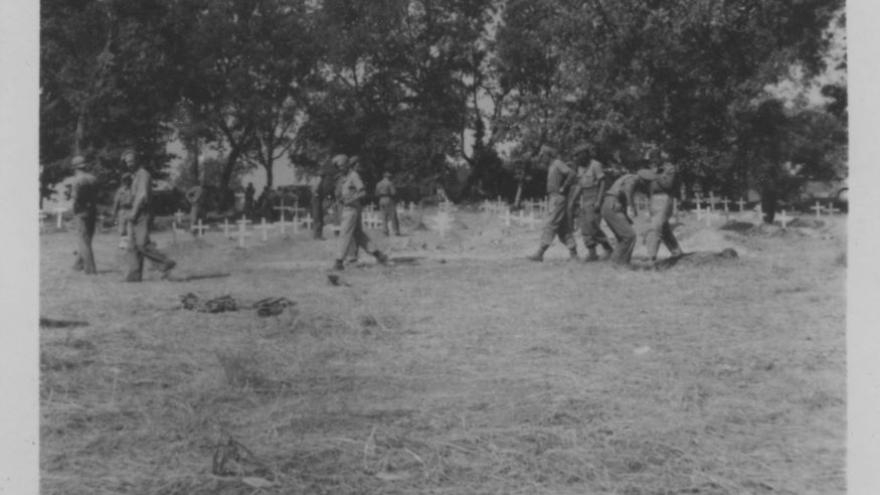
Photo credit: SGT Gil Dick: 1944 | Liri Valley in Italy, near the Hitler Line. Written on the back of the photo: "May 25/1944 Graves registration people working on P.P.C.L.I. graveyard after Hitler Line Battle.
Contributions by the Vancouver Island Military Museum, Nanaimo, B.C.
The following information was supplied by the Vancouver Island Military Museum in Nanaimo, British Columbia. The photographs were taken by the individual soldiers as follows:
David Robert Nichols was a First Lieutenant with the Royal Canadian Navy. He served on the HMCS Prince Robert, Port Hope, and Belleville off Juno Beach on D-Day, and in the Battle of the Atlantic through to the end of WW2. He continued in naval service for a time and retired to Saanich and then Nanaimo.
Joseph Stewart Temple Fall was a Canadian aviator and WW1 flying ace, with 36 aerial victories. Joseph received the Distinguished Service Cross, as well as two more bars to the Distinguished Service Cross, all in 1917. He was born on Vancouver Island and stayed in the Royal Air Force until he retired as group captain in 1945.
Charles Ramsay Stirling Stein was a Canadian Army officer who served in WW1 and WW2. He commanded the 5th Canadian Armoured Division during WW2. He studied in British Columbia and continued to work in civil defense in the province after the war.
Sergeant Gil Dick served as the 19 Platoon Commander for the Princess Patricia's Canadian Light Infantry (PPCLI). During 1944, the PPCLI, as part of the 2nd Canadian Infantry Brigade, 1st Canadian Infantry Division, was heavily engaged in some of the fiercest fighting of the war in Italy.
The Home Front: Resilience, Labour and Unsung Contributions- Esquimalt Municipal Archives
The home front was an equally important, though often less visible, part of the wartime experience. While men and women served in the armed forces, those at home adapted their daily lives to the demands and uncertainties of war. Women, children, families, community organizations, and volunteers contributed through food production and rationing, fundraising, conservation, sewing and knitting, gardening, and other essential labour and community support. Local archival records of Esquimalt Municipal archives show how these everyday activities became meaningful acts of collective responsibility and resilience. This section recognizes the often-unsung individuals whose contributions sustained families, communities, and the broader war effort, reminding us that wartime service extended well beyond the battlefield.
Image
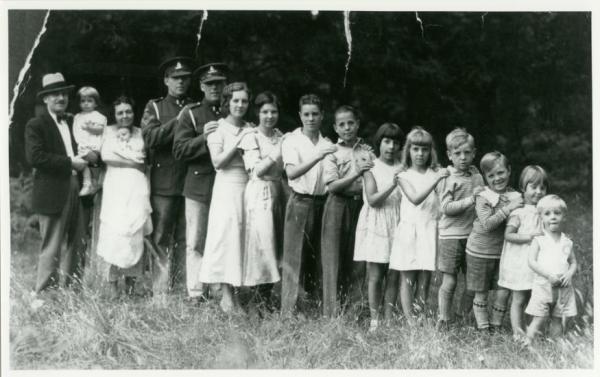
Buxton family, 1932, Marjorie Hawker Col.
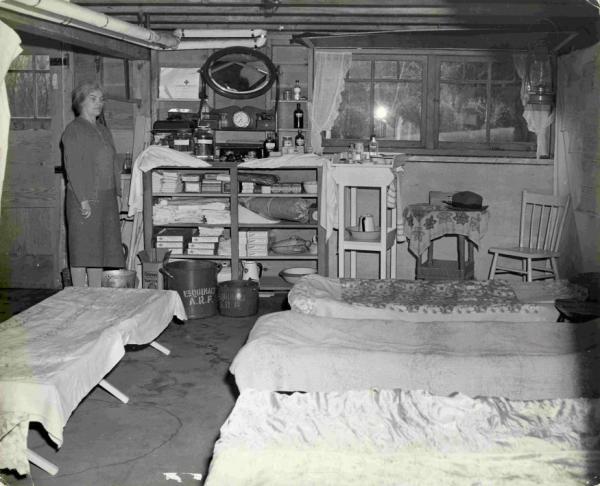
Wartime communities also had to prepare for the possibility of attacks at home. Air Raid Precaution (ARP) centre in Esquimalt, St. John's Ambulance Corp, WWII Civil Defence training, brought civilians together to learn, organize, and respond to emergencies. Records and photographs of these activities reveal how ordinary residents took on new responsibilities to protect their families, neighbours, and community.
Image
Esquimalt's Air Raid Precaution Station, 1915, Esquimalt Police-Fire Department Col.
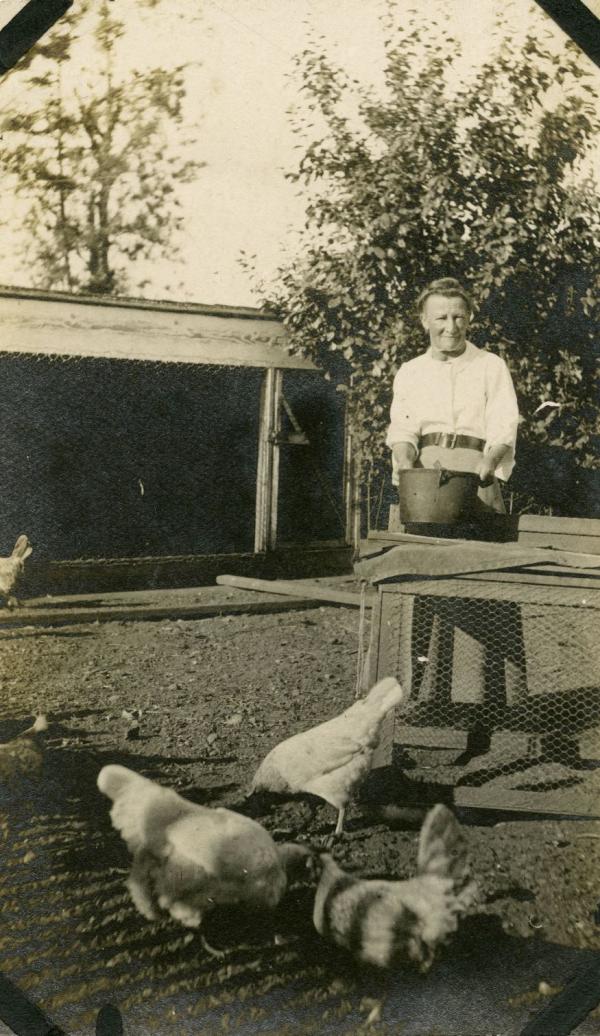
The war altered the goods people could purchase and the ways families prepared their meals. In Esquimalt, households responded to shortages and rationing by sharing food, minimizing waste, adapting recipes, and supporting neighbours in need. Backyard gardens and household food production enabled families to become more self-reliant amid wartime shortages. Families cultivated vegetables, preserved food, and, in some cases, raised chickens for eggs and meat. These gardens served as both a source of nourishment and a symbol of resilience.
Image
Mrs. Mary Jane Gray with chickens, in her backyard on Constance Avenue
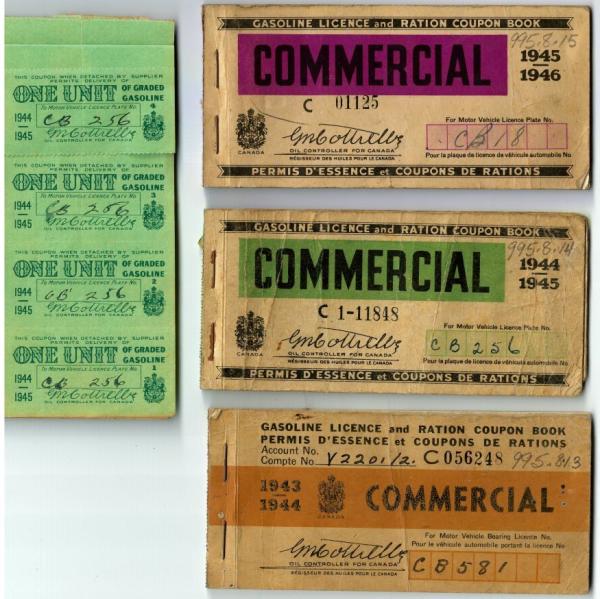
Rationing brought the realities of war into the domestic sphere. Families learned to use ingredients efficiently, repurpose materials, mend clothing, and prepare nutritious meals with whatever was available.
Image
Food ration Books & Stamps, 1945, Fred Wheeley Col
Women played a remarkable role in the war effort. They knitted socks, sewed clothing, prepared parcels, raised funds, and kept families and households running while loved ones served far from home. Rationing brought the realities of war into the domestic sphere. Families learned to use ingredients efficiently, repurpose materials, mend clothing, and prepare nutritious meals with whatever was available. Resourcefulness became an essential aspect of everyday life.
Image
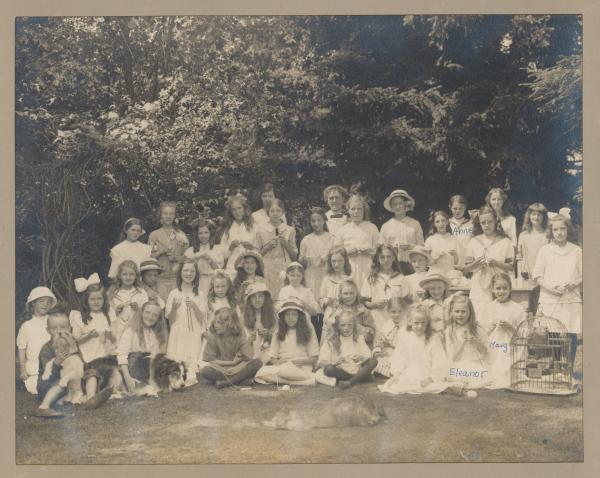
Miss Pooley's Red Cross Group (Knitting), WWI, 1914-1918, Tom Redhead Col.
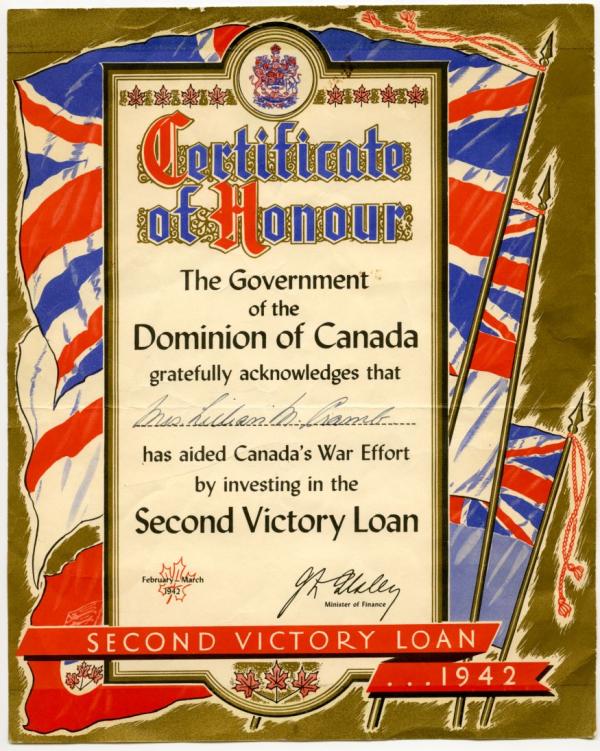
Communities contributed to the war effort in numerous ways beyond military service. Through dances, bazaars, sales, donations, War Bonds, and War Savings campaigns, residents united to provide financial support to the nation during wartime.
Image
Certificate of Honour acknowledging Mrs. Lillian M. Cramb who invested in Canada’s 2nd Victory Loan Project, ca. 1942, Cramb family Col.
Wartime brought fear, separation, shortages, and uncertainty; nevertheless, people continued to work, raise families, celebrate, and care for one another. These everyday acts demonstrate the resilience of the communities of Esquimalt during challenging times.
Across generations, members of the same family answered the call to serve, with some serving during both the First and Second World Wars. These photographs honour the individuals who served in the armed forces and the families whose lives were shaped by military service.
Behind every serviceman’s photograph was a family awaiting his return. For some families, that wait ended in loss. Photographs, letters, memorials, and family records help us understand the personal cost of war and the enduring impact of loss on local communities.
Together, they reveal a legacy of duty, sacrifice, and remembrance, connecting personal family histories with the broader wartime history of Esquimalt.
Image
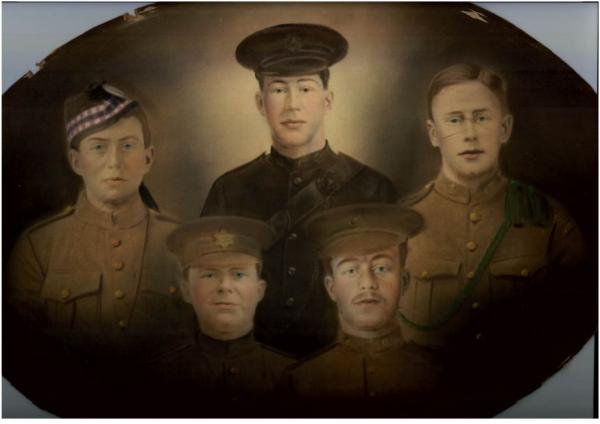
McVie Brothers in Uniform, all five joined the Canadian Overseas Expeditionary Force and all survived the war, 1914-1918 Bob Cockrell Col.
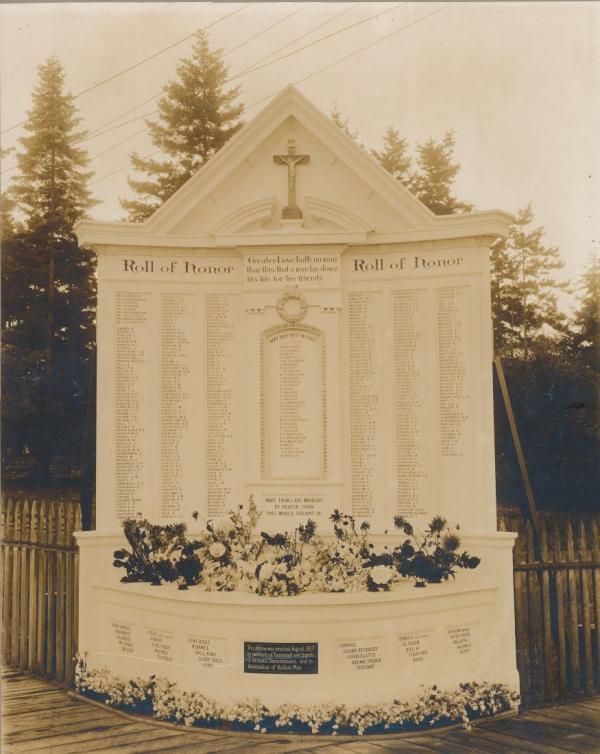
Esquimalt remembers with gratitude those who served and sacrificed, and the families and communities who stood behind them. The Roll of Honour is a lasting reminder of their courage, service, and sacrifice and of a community that continues to honour their legacy across generations.
Image
Roll of Honour monument, St. Paul's Church grounds, 1919, Arthur Young Col.
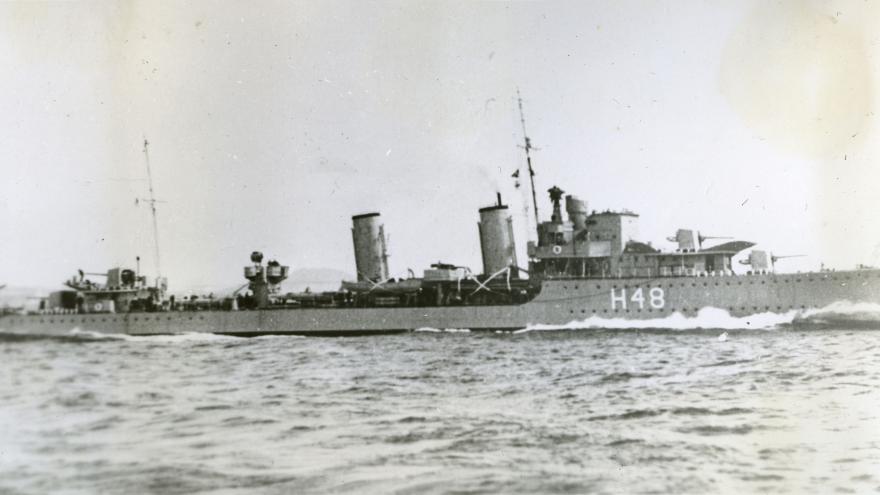
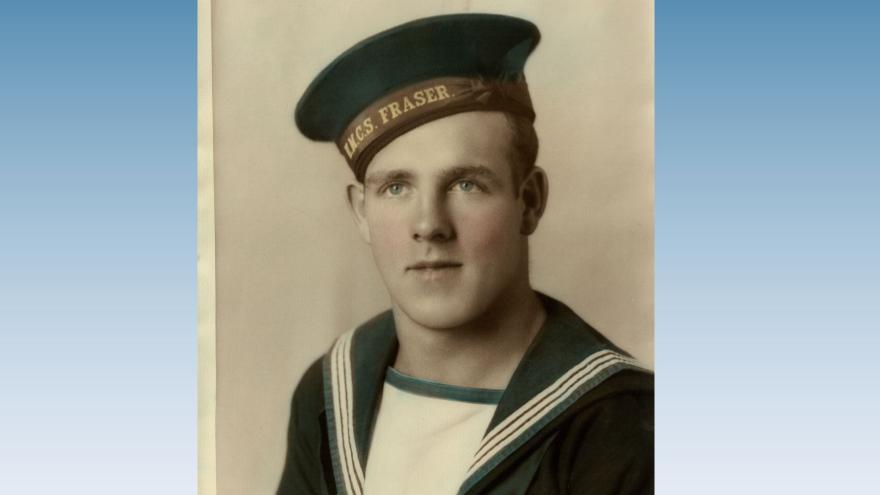
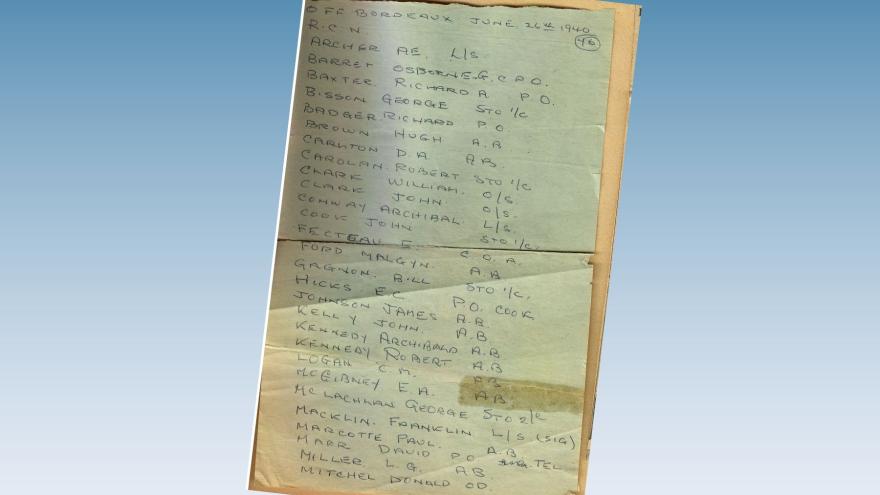
The sinking of HMCS Fraser
HMCS Fraser H48 became the first Royal Canadian Navy vessel to sink during the Second World War. Esquimalt was HMCS Fraser’s home port.
On June 25, 1940, while returning from France, HMCS Fraser was accidentally stuck and sunk by the British cruiser HMS Calcutta in the Gironde Estuary, France. While many survived the tragedy, forty-seven crew members lost their lives. The ship and her crew were part of the Esquimalt naval community before sailing overseas, and many local families were affected by the loss. Among the survivors were three brothers of the De Costa family of Esquimalt: Edward, Wilfred, and Louis. This exhibition organized by Esquimalt Municipal Archives is enriched by archival photographs from the De Costa family collection, generously donated by the Edward L. De Costa, Alderman 1959-1974 (former Councillor of the Township of Esquimalt).
HMCS Fraser, ca. 1940? Esquimalt (B.C.). Town Clerk's Department Col.
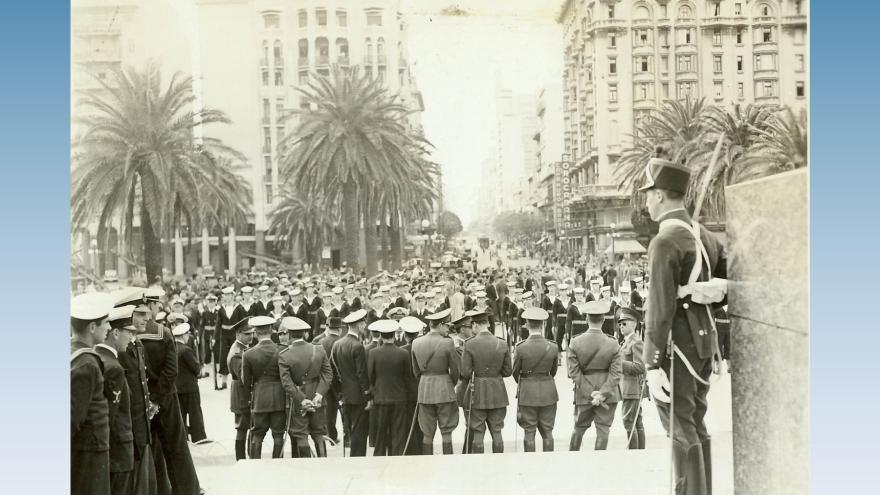
HMCS crew members at Town Plaza, Lima Peru, 1938, De Costa Family Col.
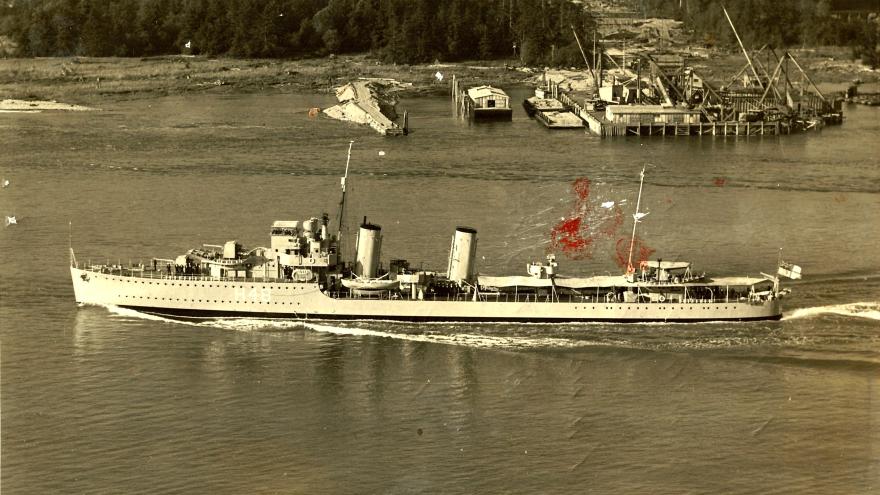
HMCS Fraser passing under construction of Lions Gate Bridge, Vancouver, BC. 1938, De Costa Family Col.
HMCS Fraser Survivors, 1950, De Costa Family Col.
Edward L. De Costa, 1938, De Costa Family Col.
Wilfred Herbert De Costa, 1948, De Costa Family Col.
Louis De Costa, 1938, De Costa Family Col.
List of sailors (partial) of HMCS Fraser, 1940, De Costa Family Col
Earth Day- our shared connection with Nature
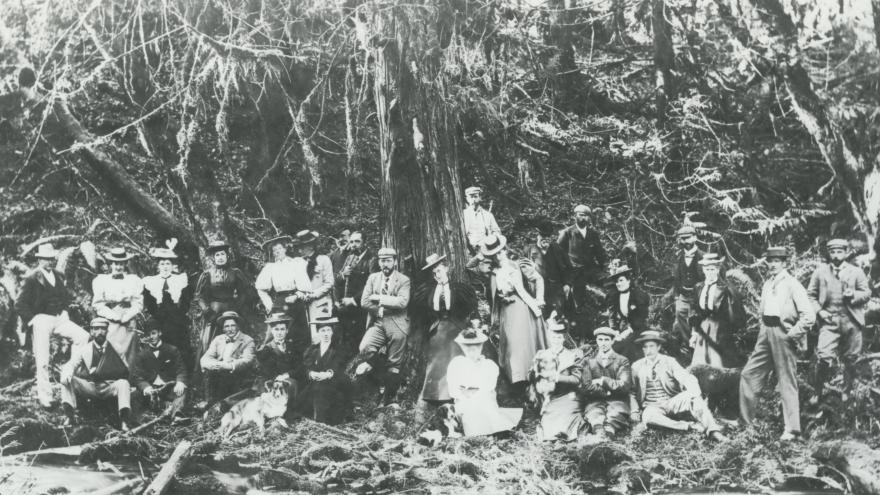
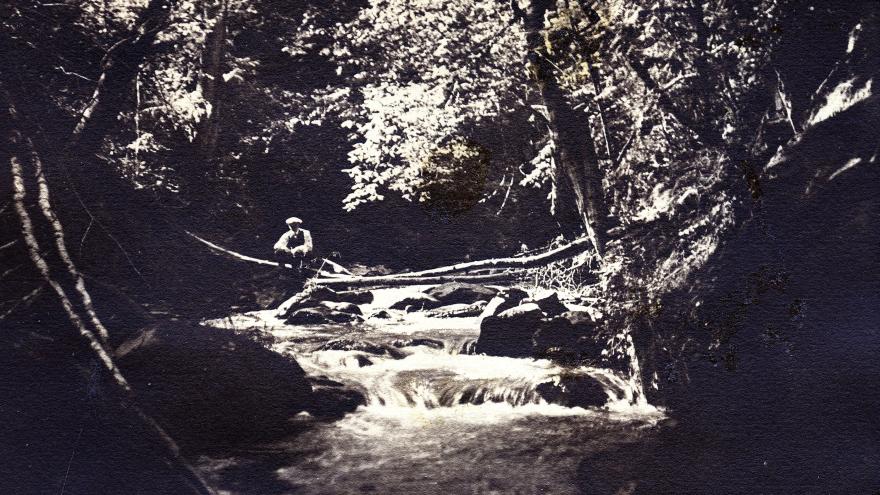
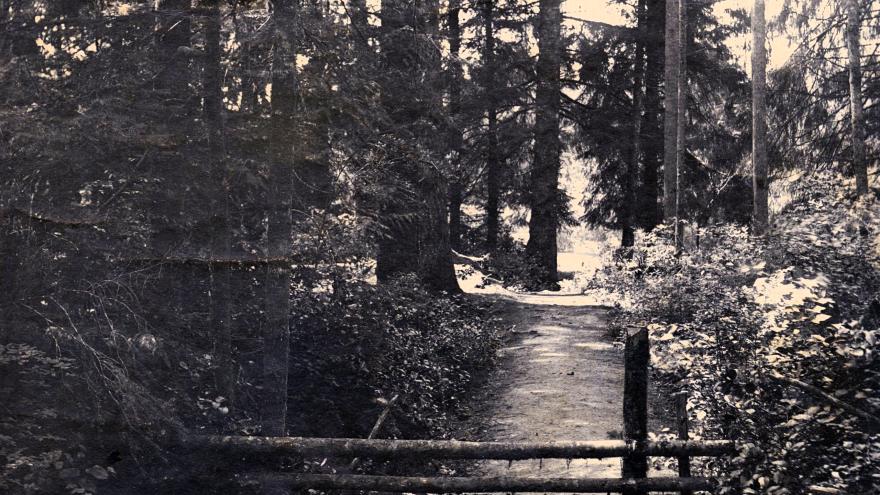
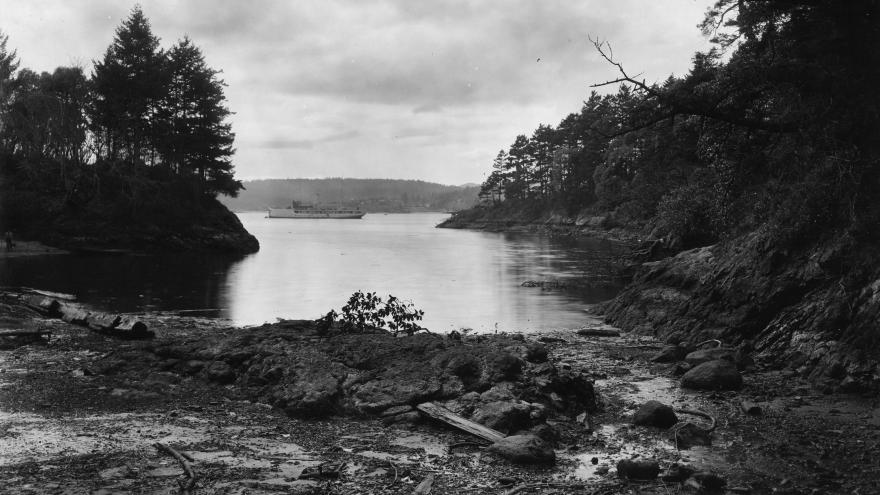
This online exhibition showcases a selection of archival photographs that reveal the strong bond between our community and the natural environment. Rivers, mountains, coastlines, forests, and neighbourhood scenes appear throughout these images, reminding us of the beauty that surrounds us and the shared moments Esquimalt residents have experienced with nature over time.
These photographs demonstrate how residents have explored, enjoyed, and coexisted with nature. walking along the waterways, gathering by the sea, and finding peace in the mountains and green spaces of our region. They reflect eco-friendly human interventions and many ways nature enriches our lives and strengthens our sense of place.
The landscapes preserved in these archives remind us that nature not only sustains us but also depends on our care and responsibility. Through these images from the past, we encourage our community to renew its commitment to protecting the natural world ensuring that the rivers, forests, mountains, and neighbourhoods we cherish today will continue to thrive for generations to come.
Group in wooded area, likely Goldstream Park , CA PR263-995-011-055, 1896 , Pooley Family Col.
Man sitting on log crossing stream, CA PR523-025-071-015, ca. 1925, Mark Campion Col.
Footpath along a Stream, CA PR523-025-071-024, ca. 1925, Mark Campion Col.
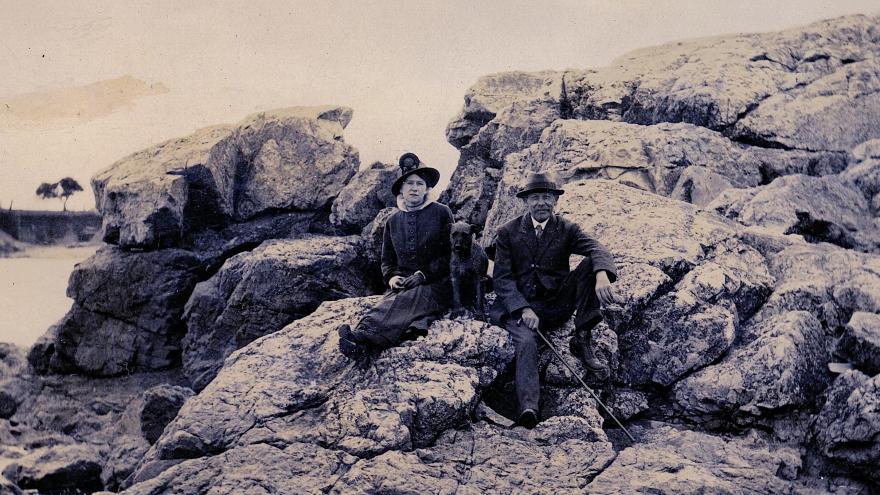
A couple sitting on the rocks near Fleming Beach in Esquimalt ca. 1925, Mark Campion Col.
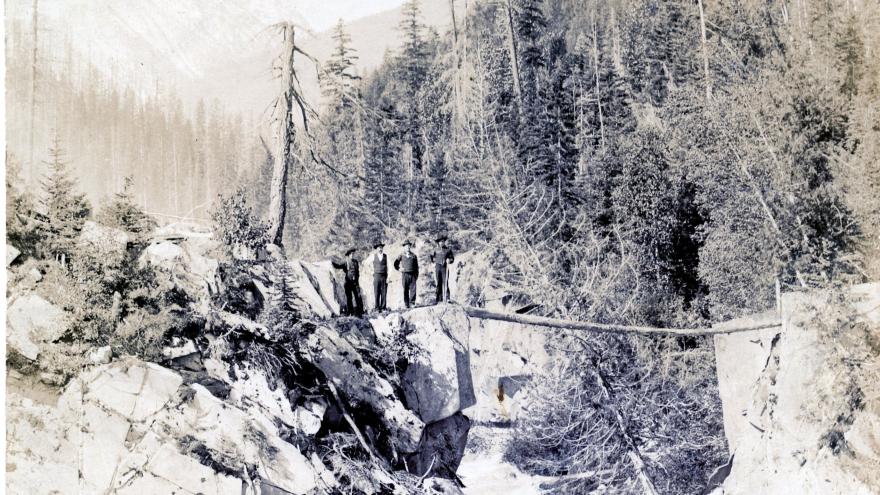
People standing on rock ledge over Beaver Canyon on the Fraser River, BC., CA PR523-025-071-025, ca. 1925, Mark Campion Col
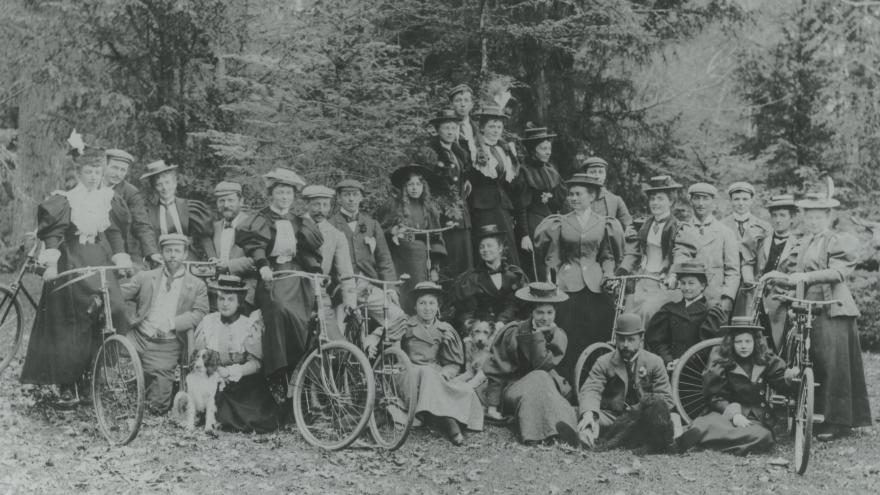
Group in Goldstream Park with bicycles , CA PR263-995-011-054 , 1896 ,Pooley Family Col.
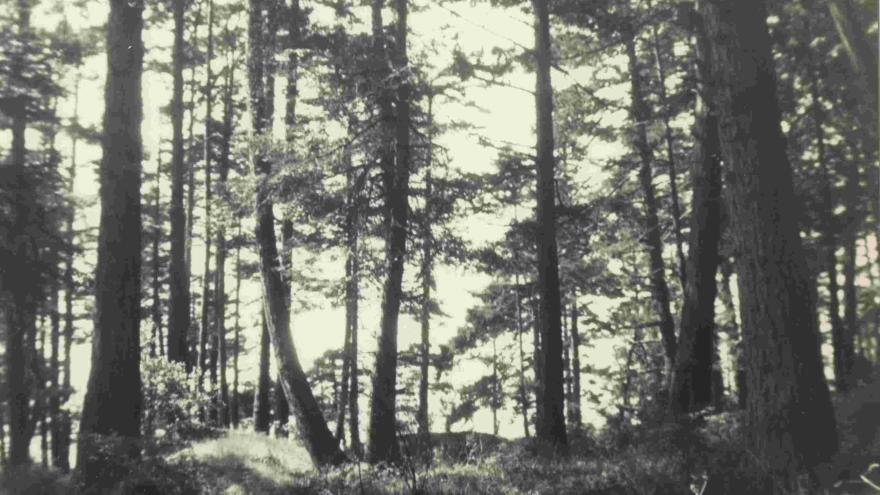
Saxe Point forest, CA PR012-v989-020-018, ca. [194-] , James Findlay Col.
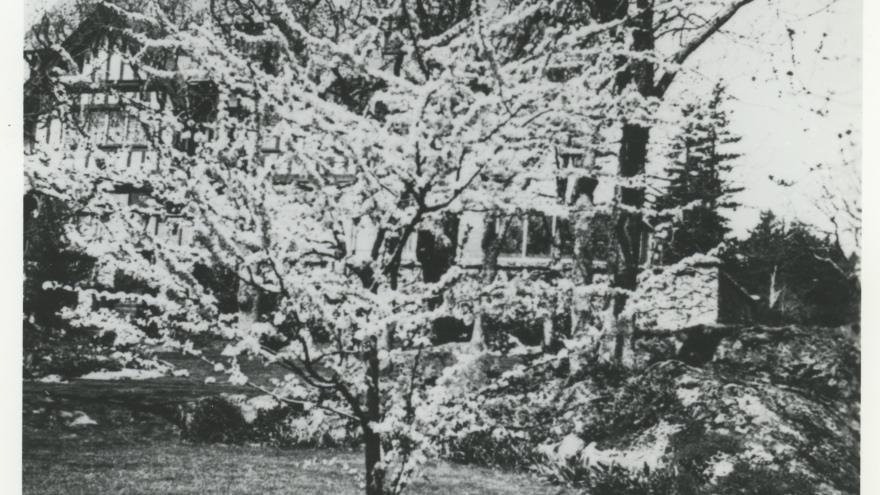
Blossoming cherry tree in gardens at "Lyndhurst" , CA PR263-995-011-079, ca. 1928 , Pooley Family Col.
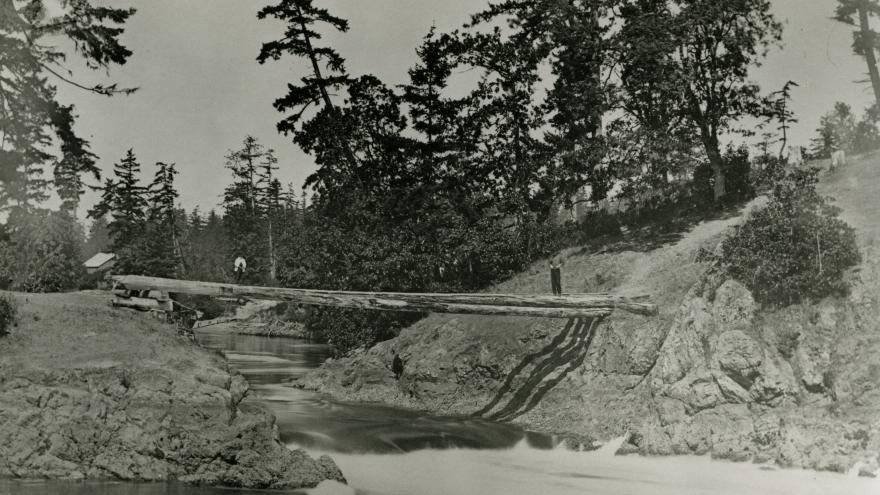
Log bridge across the Gorge, CA PR164-v992-013-001, ca. 185-?, Mike Aitken Col.
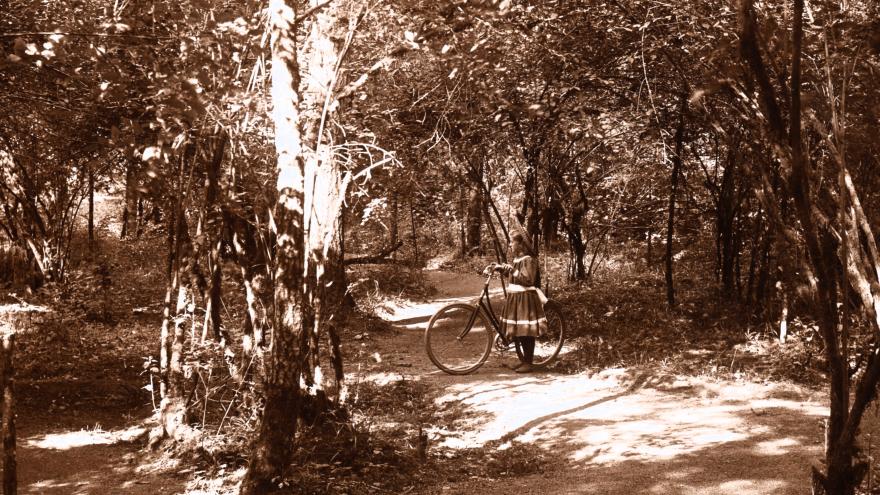
Girl on bicycle on a pathway in Gorge Park, CA PR250-995-036-009, ca. 1905, Mike Aitken Col.
Gorge Park, CA PR250-995-036-005, ca. 1905, Mike Aitken Col.
Skinner's Cove in 1921, Site of new Dry Dock, CA PR012-996-015-028, 1921, James Findlay Col.
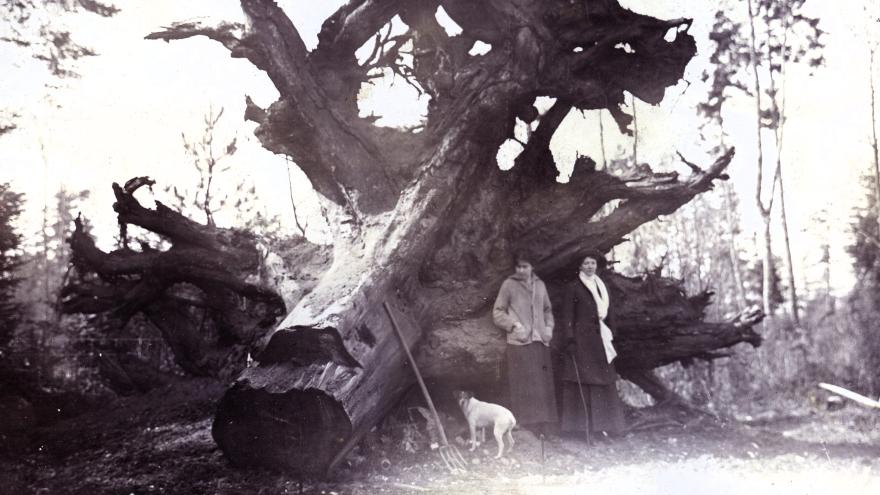
Massive Tree Stump, CA PR523-025-071-084, ca. 1910, Mark Campion Col.
Making Women Visible: Correcting Gender bias in Archival Photo Records
These photographs from our archives feature people whose names and stories have yet to be identified — especially women who have long remained unseen in the historical record.
We invite you to help us recognize them, reclaim their identities, and add their stories back into our shared history.
Every face tells a story, and every story matters.
If you ‘re familiar with any of these individuals, place, or any relevant information, please comment or share that information with archives (archives@esquimalt.ca). So, we can update our database and online collection to provide a more accurate picture.
Let’s build our history together!
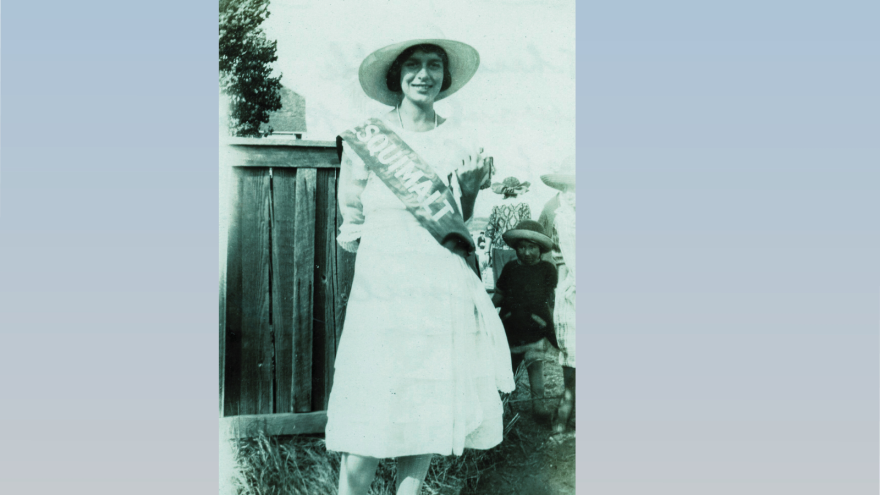
Woman wearing "Esquimalt" sash, 1923. Donor purchased album of photos from "Time Buying Services" Government St., Victoria, B.C.
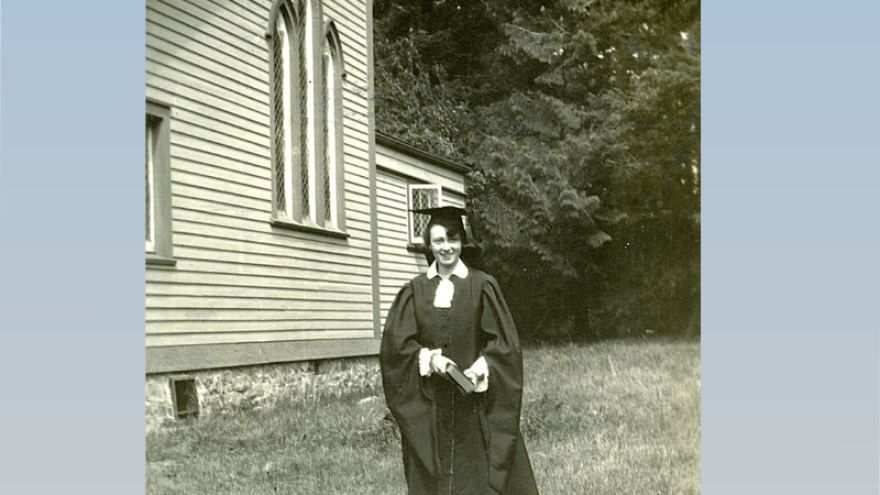
St. Paul's Naval and Garrison Church with unidentified women wearing choir gown in front. Ruth Craven Fonds, ca. 1925
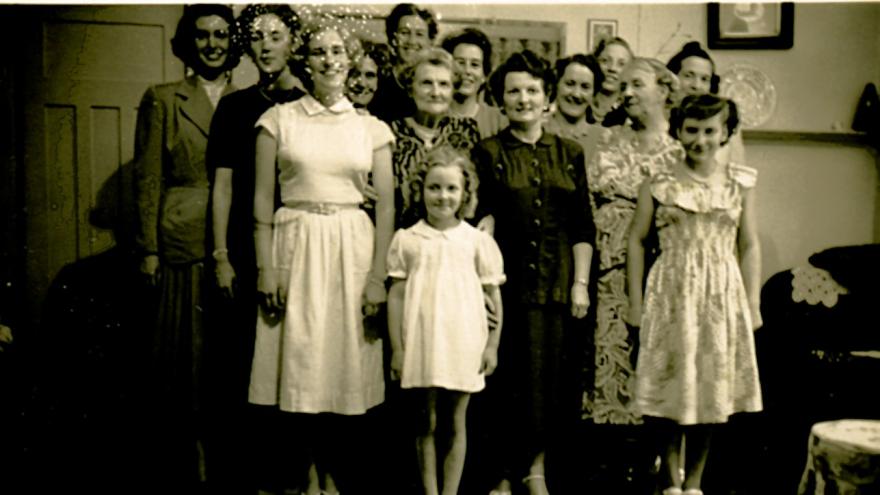
Group of women 1940 (Creation) Spencer Family Fonds. CA PR341-015-001-127
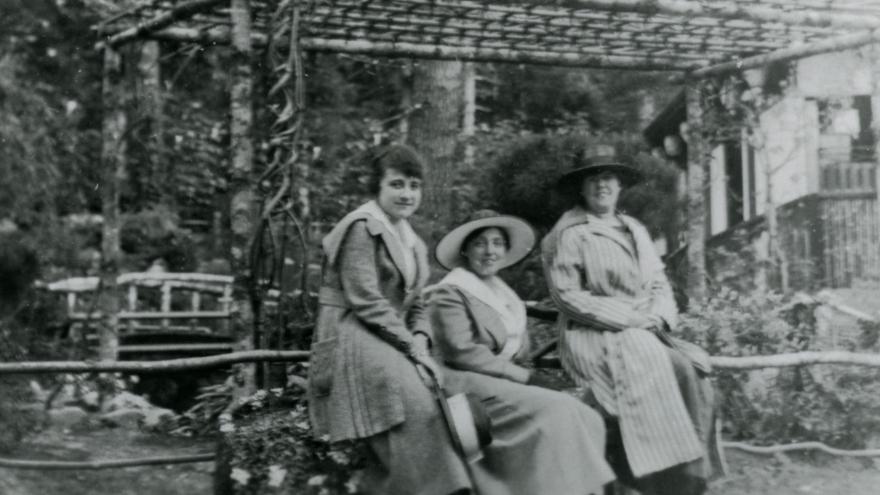
Three unidentified women, Japanese Tea Gardens, ca. 1915, Toyo Takata Fonds
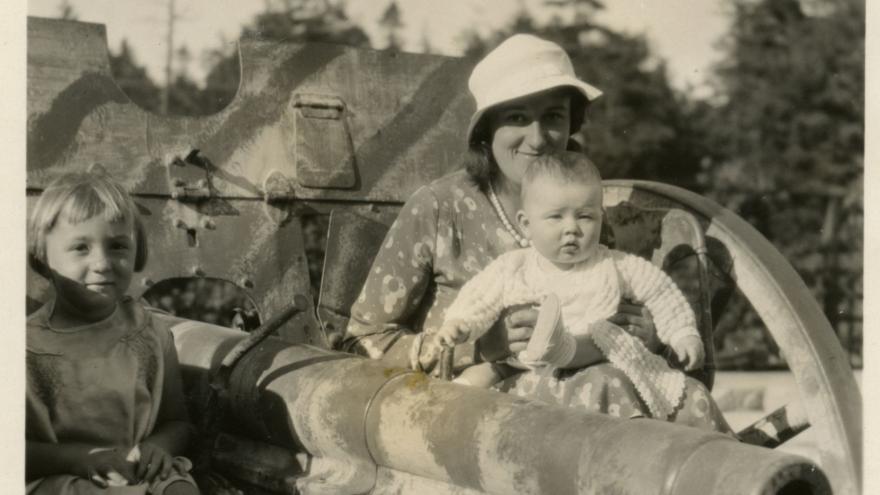
"Woman and children at Memorial Park" c. 1935
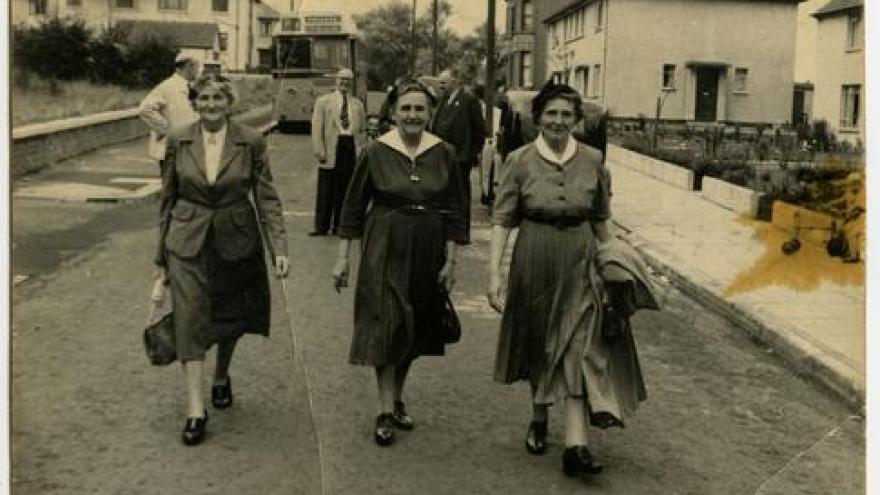
“ Women walking down a street” – Emily Harrop Fonds, ca. 1950 (Creation)